
NEWS
-

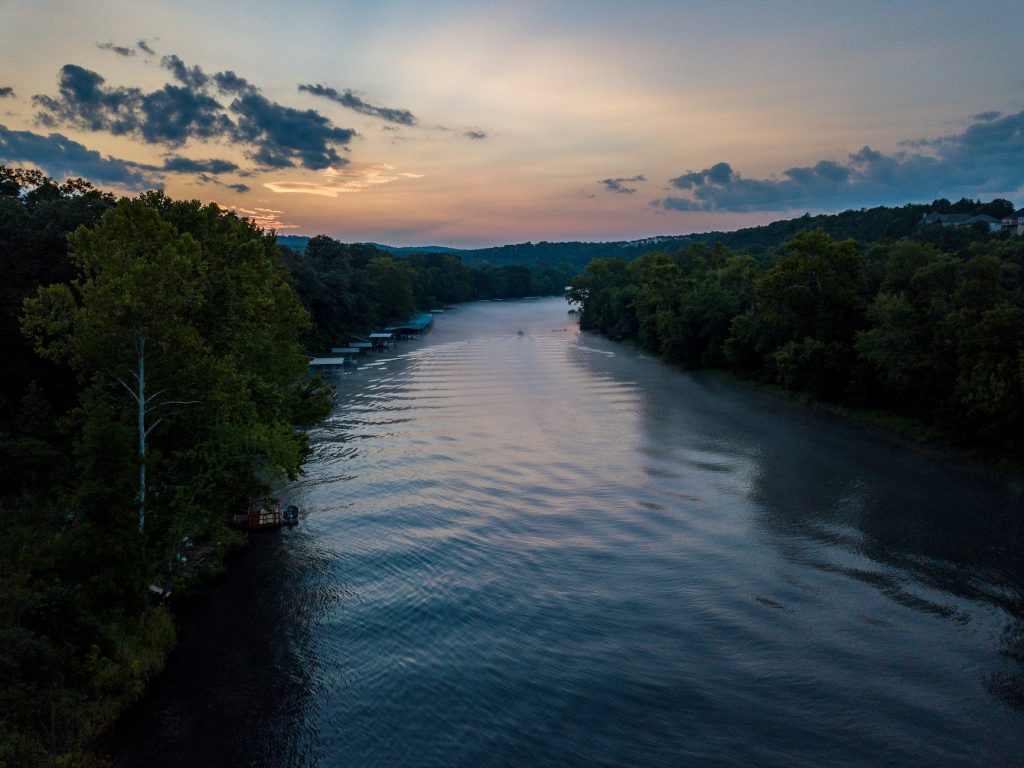
Apply Now: Public Art & Natural Infrastructure Design Challenge
The Institute for Resilient Infrastructure Systems (IRIS) at the University of Georgia invites proposals for a public art installation. The goal of this project is to use art to enhance citizen science, leveraging art installation within a natural site to crowd-source environmental monitoring. Dr. Daniel Coleman, research associate, explained the…
-

New Resilient Futures Podcast: Building Resilience in Medicine with Human Wellbeing
On this show, we usually focus on structural resilience- but what about the resilience of our personal wellbeing? This year, the University of Georgia opened our brand new School of Medicine, and some of the experts joining the School’s Office of Personalized Health and Well-being joined us to talk about…
-
Creative, Collaborative, Community Solutions
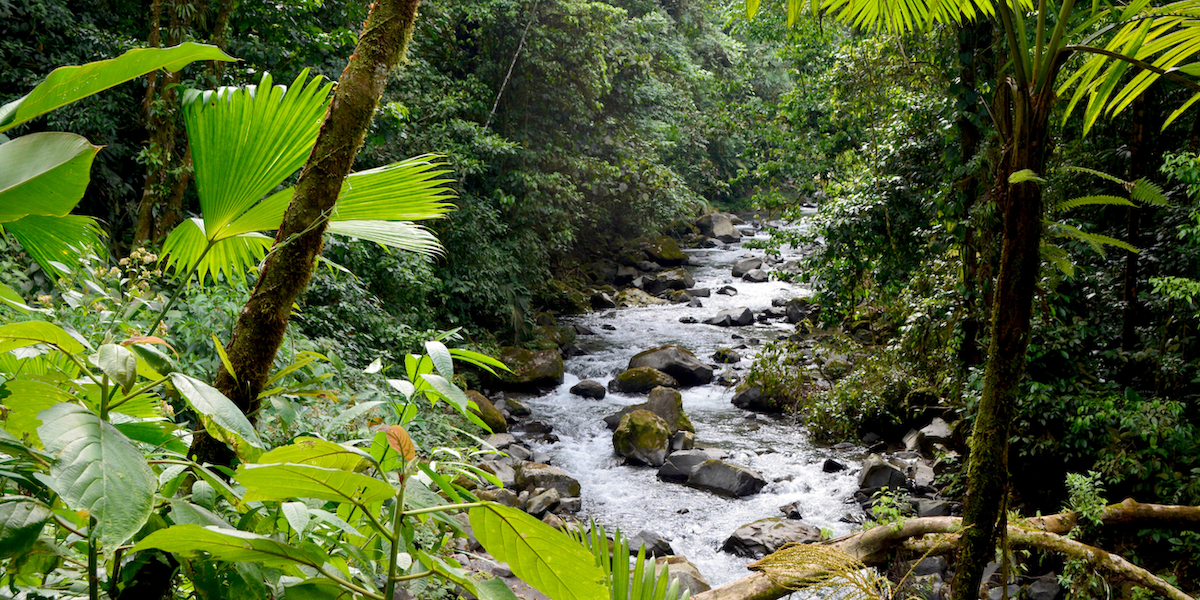
Transforming the systems that manage flood risk is challenging even in the best circumstances. In places facing overlapping disasters, political conflict and fragmented institutions, it can be even more daunting. A team of researchers, government officials and nonprofit leaders is tackling that challenge by bringing together people and perspectives. The…
-
Adam Milewski: UGA Game Changer
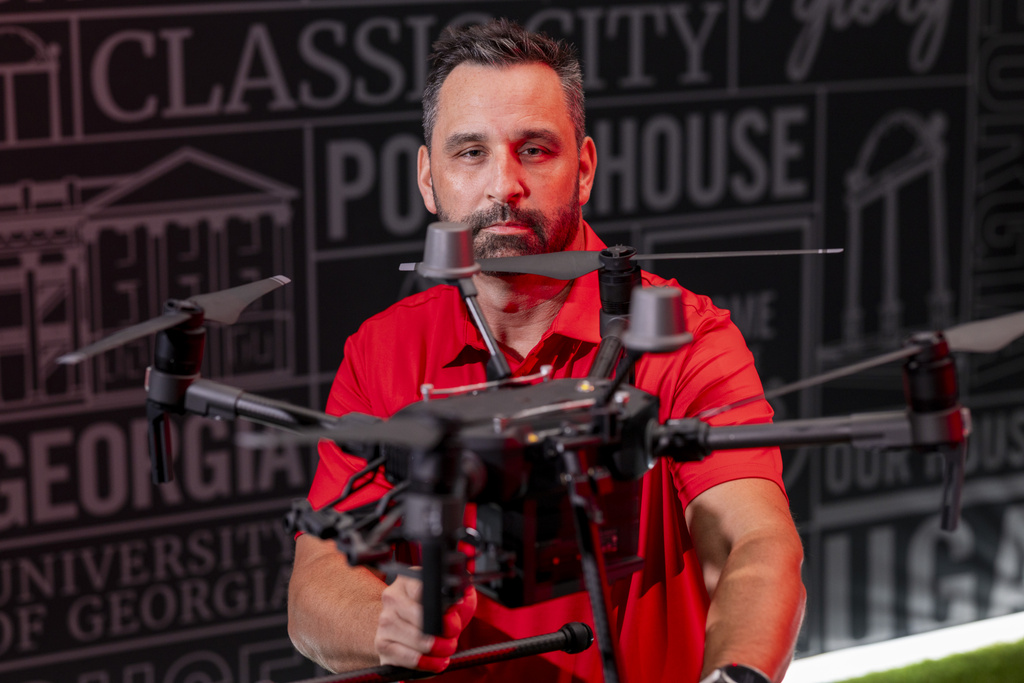
As head of UGA’s Department of Geology, Adam Milewski says people are often surprised that his work focuses on water. But Milewski, a hydrogeologist who studies the water found beneath earth’s surface, will be the first to tell you that geology includes more than rocks.
-
Rosemond retires following three decades at UGA
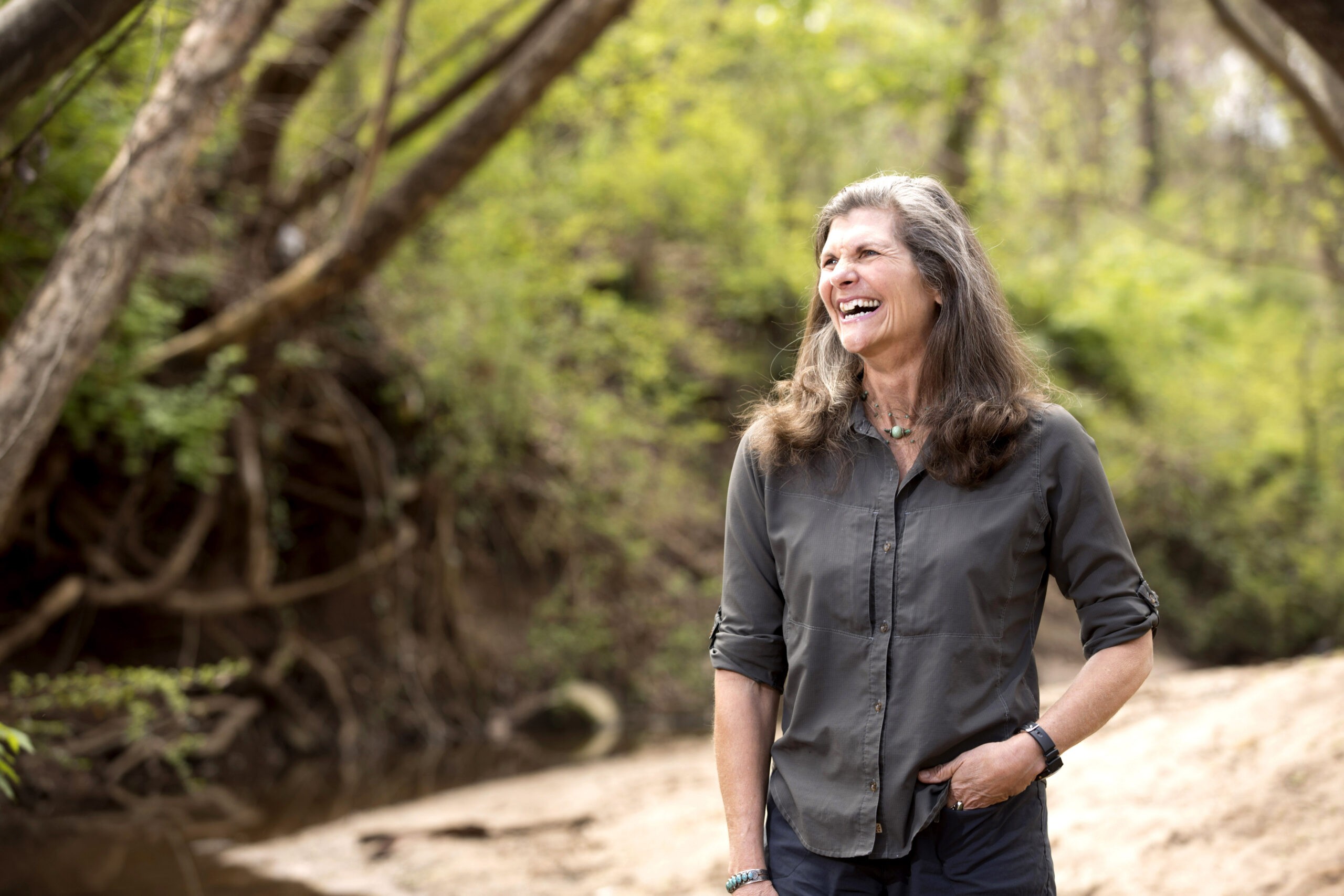
Dr. Amy Rosemond officially retired as a professor at the Odum School of Ecology on July 1, and she has since been granted emeritus status. Throughout her career, she studied the effects of land use and climate change on the health of streams, uncovering important lessons about how excess nutrients…
-
New Resilient Futures Podcast: From Restaurant to Reef
This month on the Resilient Futures Podcast, we’re welcoming the team from Shell to Shore, an Athens-based oyster shell recycling initiative that works with restaurants across the state of Georgia to rebuild shorelines. Oysters-the same kind you slurp down as an appetizer at that restaurant downtown-have incredible potential for fighting…
-
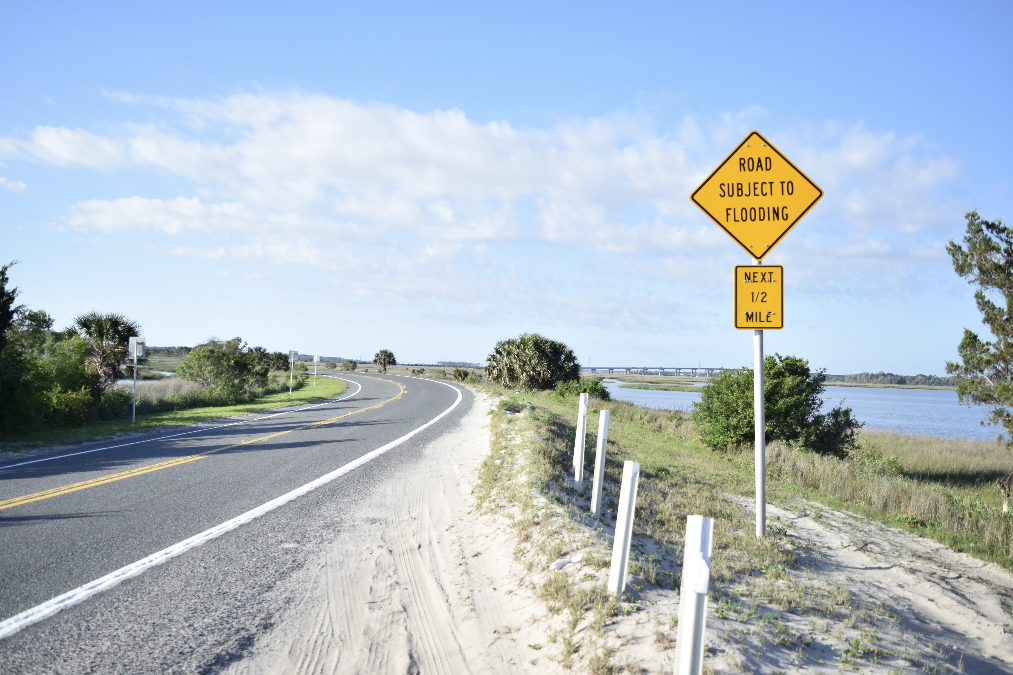
Saving Little Jetties: Shoreline Stabilization at a Major Naval Station
Situated between the city of Jacksonville, Florida, the mouth of the St. John’s River, and the Atlantic Ocean is the busy harbor of Naval Station Mayport. NS Mayport is one of the largest U.S. Navy bases in the Southeast. The Base neighbors the historic working waterfront community of Mayport Village,…
-
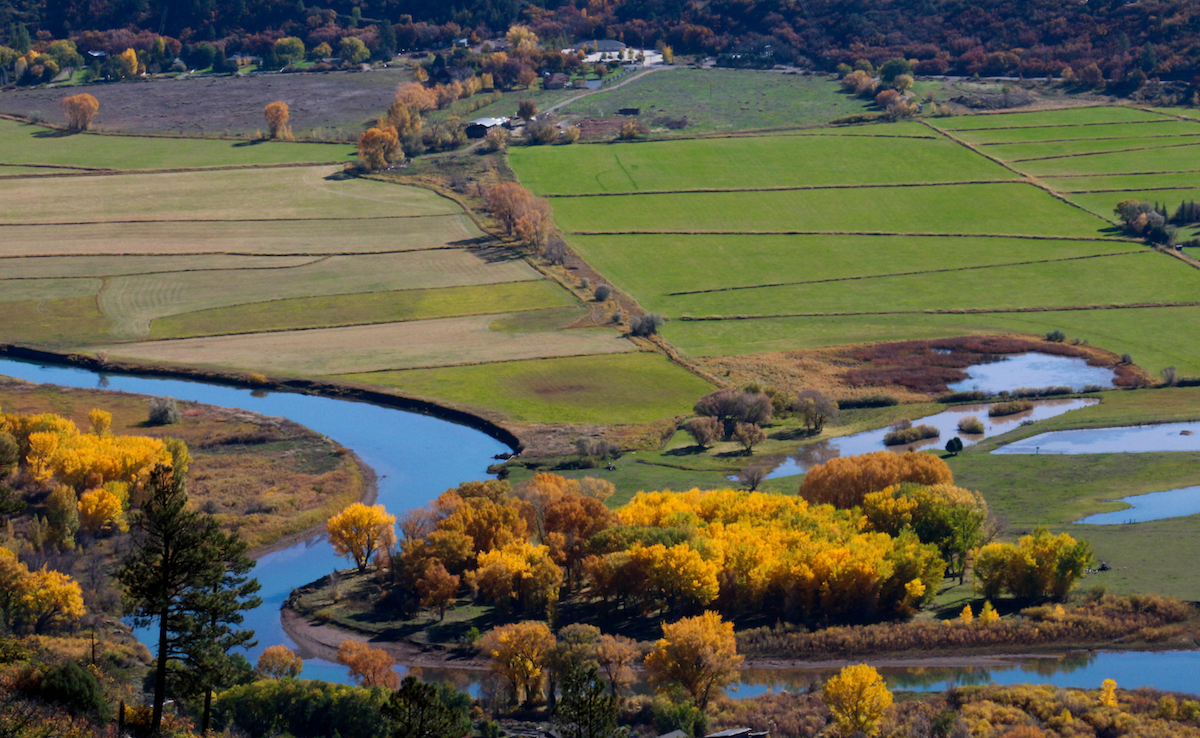
Hiring Now: Working Lands Engineers for Southeastern Aquatic Connectivity
The University of Georgia (UGA) is seeking applications for Private Lands Engineers (Water Resources) to support implementation of the Working Lands for Wildlife (WLFW) Aquatics Connectivity Framework. This project is a collaboration between UGA and the USDA Natural Resources Conservation Service (NRCS) WLFW program. This position will serve as a key implementation lead and primary point of contact…
-

Biodiversity Working Group recommends eco-thoughtful planning and action for the future of nature-based solutions
Nature-based solutions (NbS) are engineering actions that address societal challenges through the creation, protection, sustainable management and/or restoration of ecosystems, benefitting both the environment and human wellbeing. One of the most frequently purported co-benefits of NbS is their ability to simultaneously benefit, and even restore, biodiversity and ecosystem health while…
-
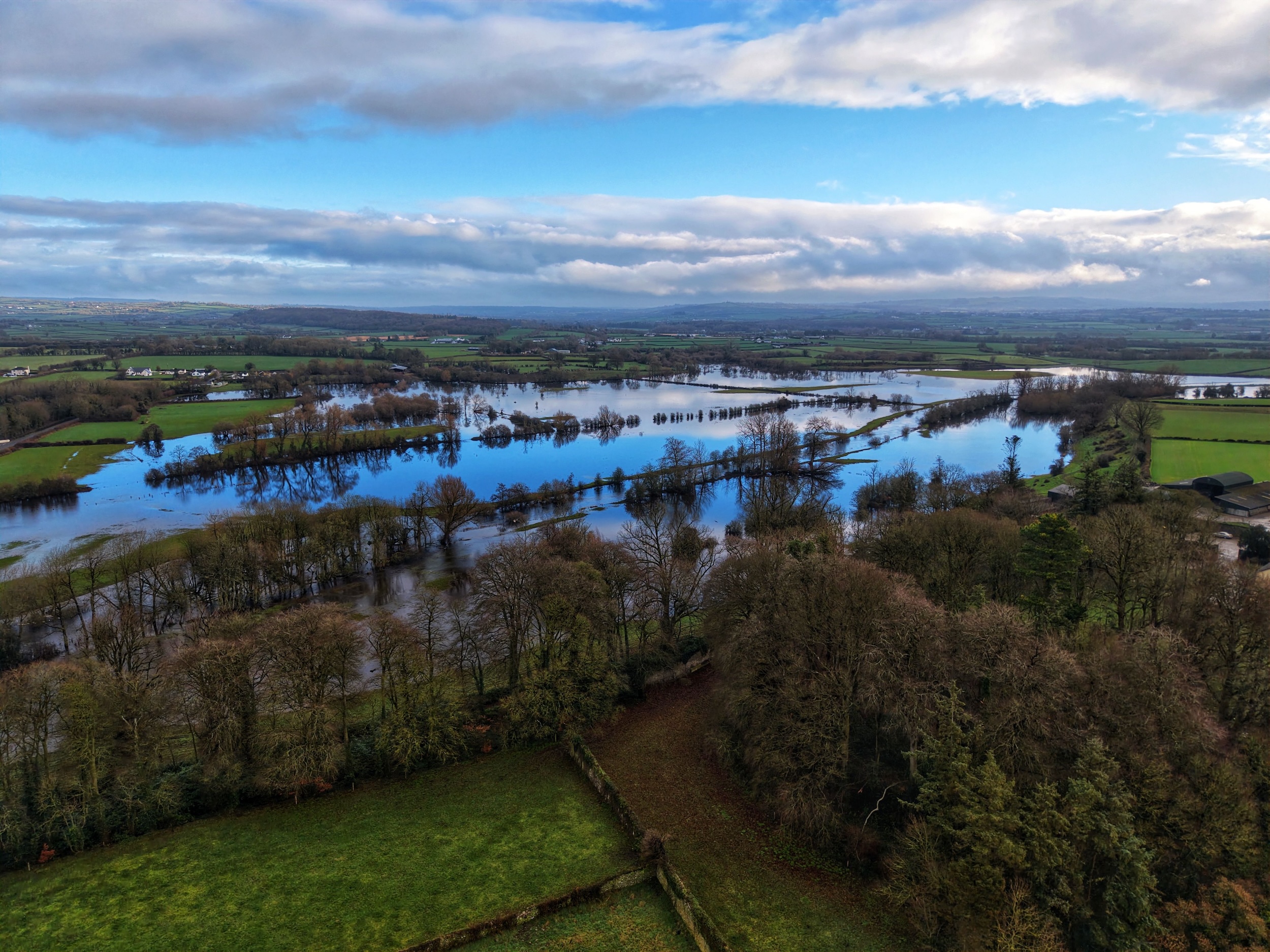
Unlocking the secrets of green stormwater infrastructure
Managing stormwater is a critical function of civil infrastructure. On paper, methods that manage stormwater sustainably using natural materials and techniques sound ideal; they perform infrastructure functions with reduced harm to the environment, and may even provide ecosystem benefits. This two-birds-one-stone philosophy is often how nature-based solutions for stormwater are…
-

Committed to Resilience: University of Georgia conducts study to identify areas of potential flooding on campus
The future is unknowable, especially when it comes to extreme weather. But with the help of innovative flood modeling and systems engineering approaches used by the University of Georgia’s Institute for Resilient Infrastructure Systems (IRIS), the campus’ Risk and Resiliency Division (RRD) can make more informed decisions about where to…
-
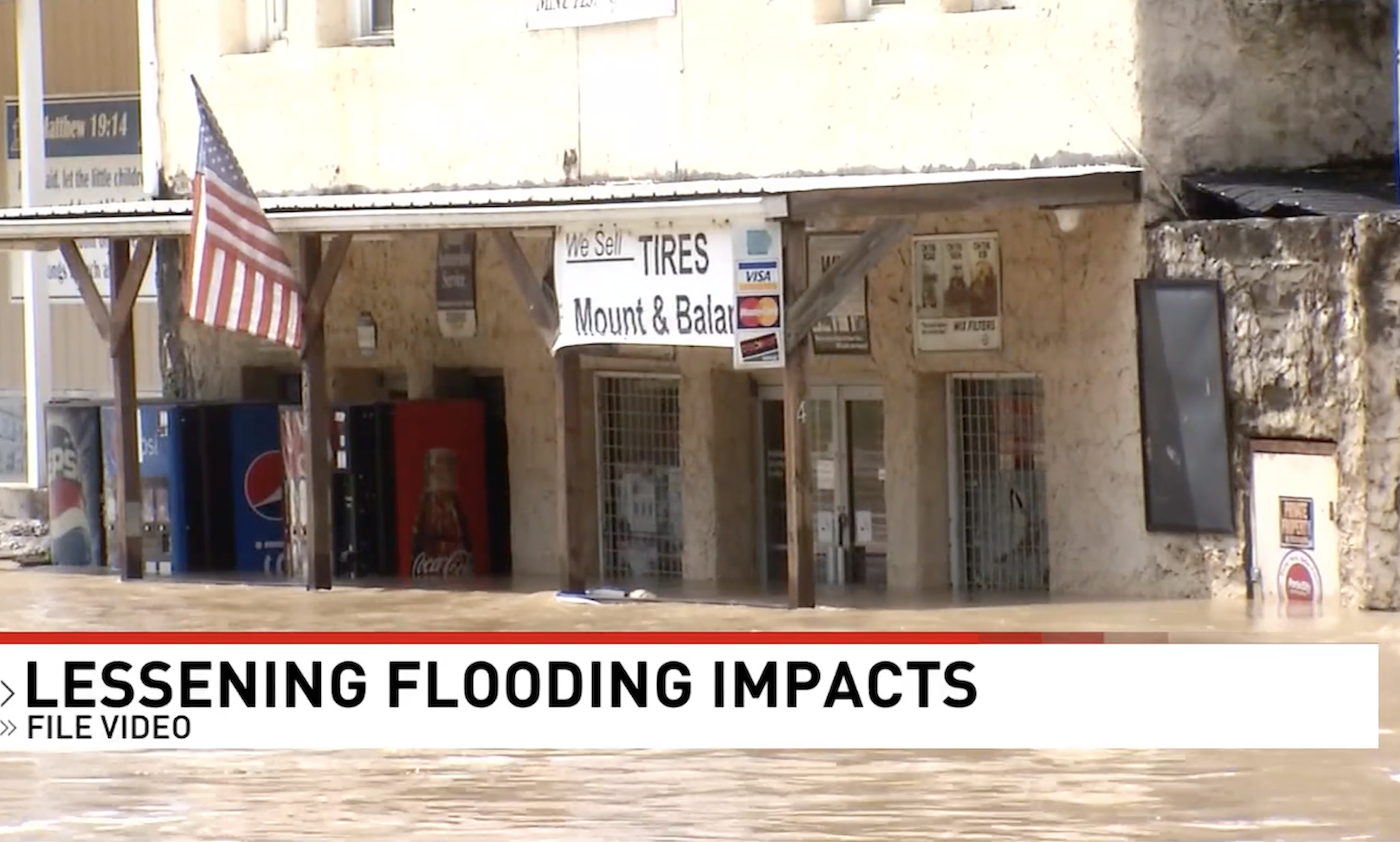
Director of Engineering Services, Zak Ruehman, speaks to flood preparation in Floyd County
“We are looking at things like green infrastructure, floodplain reconnection and widening channels. In areas where buyouts have happened, we can open up the floodplain a little bit and let rivers and streams breathe, spreading floodwater out more effectively,” said Ruehman of ways to help ameliorate flooding.
