NEWS
-
IRIS Hosts a Summer Young Scholar Program Student
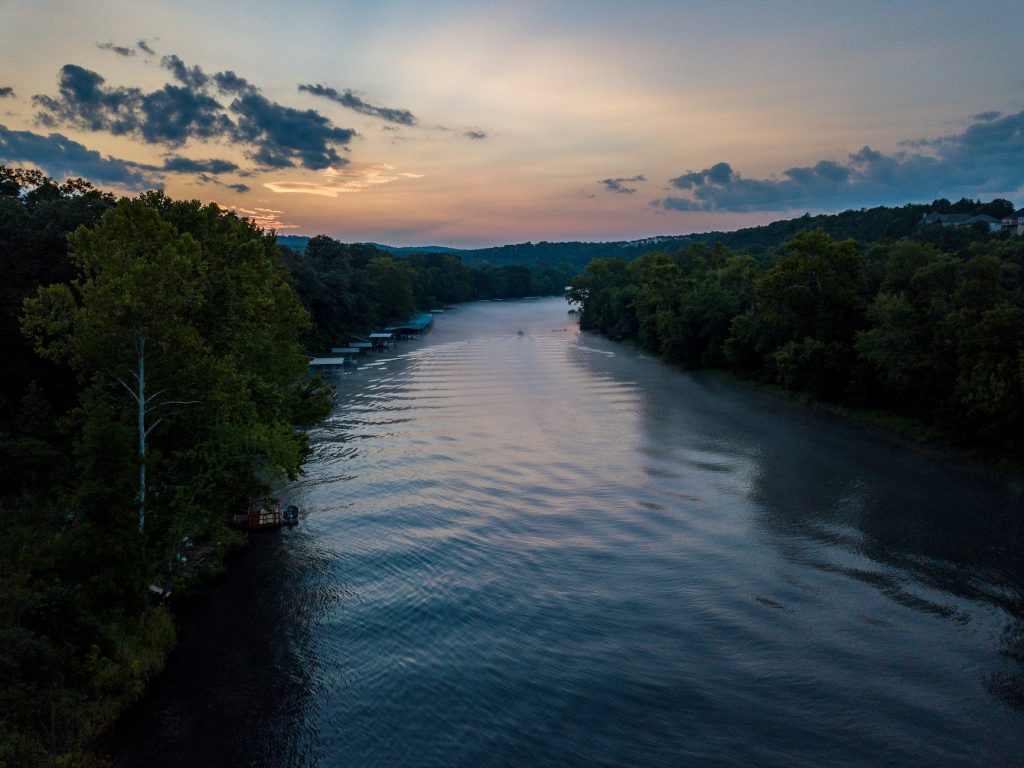
Meet our Young Scholar Program student, Samuel Cox! Sam spent six weeks this summer working with IRIS affiliates Dr. Félix Santiago-Collazo and Orlando Viloria-Marimón in the Compound Inundation Team for Resilient Applications (CITRA) Lab, as part of the Summer Youth Program. The Young Scholars Program (YSP) is a paid five-week summer internship for high…
-
Patterns, drivers, and a predictive model of dam removal cost in the United States
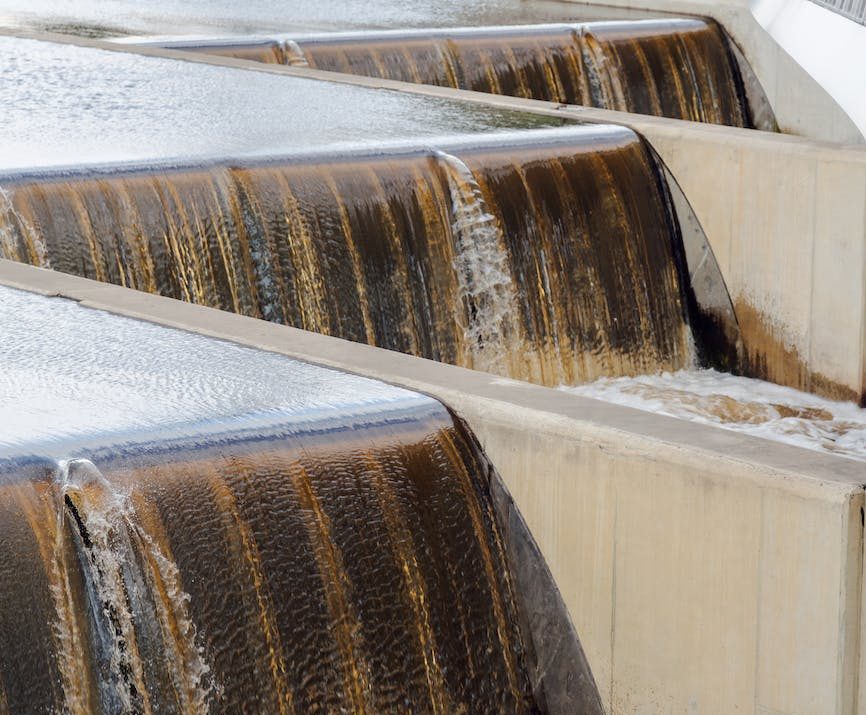
In past decades, dams were installed across the United States to help control the flow of rivers and supply water or hydroelectric energy to communities. However, these aging structures pose public safety threats, as well as disrupting aquatic ecosystems and harming biodiversity in freshwater systems, all while costing expensive maintenance…
-
IRIS students work in Big Muddy River, Illinois
The CITRA (Compound Inundation Team for Resilient Applications) recently sent IRIS Natural Infrastructure Fellows Stevens Charles and Dennis Granados Duran to Big Muddy River, Illinois to gather data on flooding impoundments. The students prepared an awesome infographic, check it out below!
-

New IRIS in Focus: Mapping Flood Vulnerability in the Savannah Metro Area
Coastal regions across the United States are beset with increasing flood hazards arising from stronger and more frequent storms, sea-level rise, tidal fluctuations, and the compounding effects when these natural and climate-driven hazards coincide. A team of UGA experts led by Dr. Matthew Bilskie and Lina Cardenas Caro, working through the UGA Defense…
-

IRIS researchers head out before the storm to capture key data
In the field of resilience research, flexibility is key. This especially includes the ability to apply research in the real world quickly and effectively. Affiliate Matt Bilskie, who oversees the College of Engineering’s Coastal Ocean Analysis and Simulation Team (COAST) exemplified this flexibility by taking advantage of approaching Hurricane’s Idalia…
-

UGA community gathers for the IRIS Open House
Yesterday, we welcomed the UGA community to join the Institute for Resilient Infrastructure Systems for an Open House celebrating the past, present and future of IRIS. Our awesome contingent of faculty, students and staff spoke to the IRIS’s vision and mission, and presented on their research in all things resilience.…
-
Tomorrow: ASCE Nature-based Solutions Sustainability Webinar
This week, ASCE hosts the second of three Nature-based Solutions (NbS) Sustainability Webinars: Engineering Guidance for Nature-Based Solutions on Wednesday, August 30, 2023 from 12:00pm-1:00pm. Register here to join the webinar.
-
Nature-Based Solutions for Biodiversity Handbook
A team from the U.S. Army Corps of Engineers and the University of Georgia, IRIS recently published the new Nature-Based Solutions for Biodiversity Handbook, a handbook that uses landscape architecture renderings to demonstrate how communities can use nature-based solutions to protect their communities while promoting biodiversity. Check out the handbook here!
-
Welcome to the new IRIS Communications Coordinator, Olivia Allen!
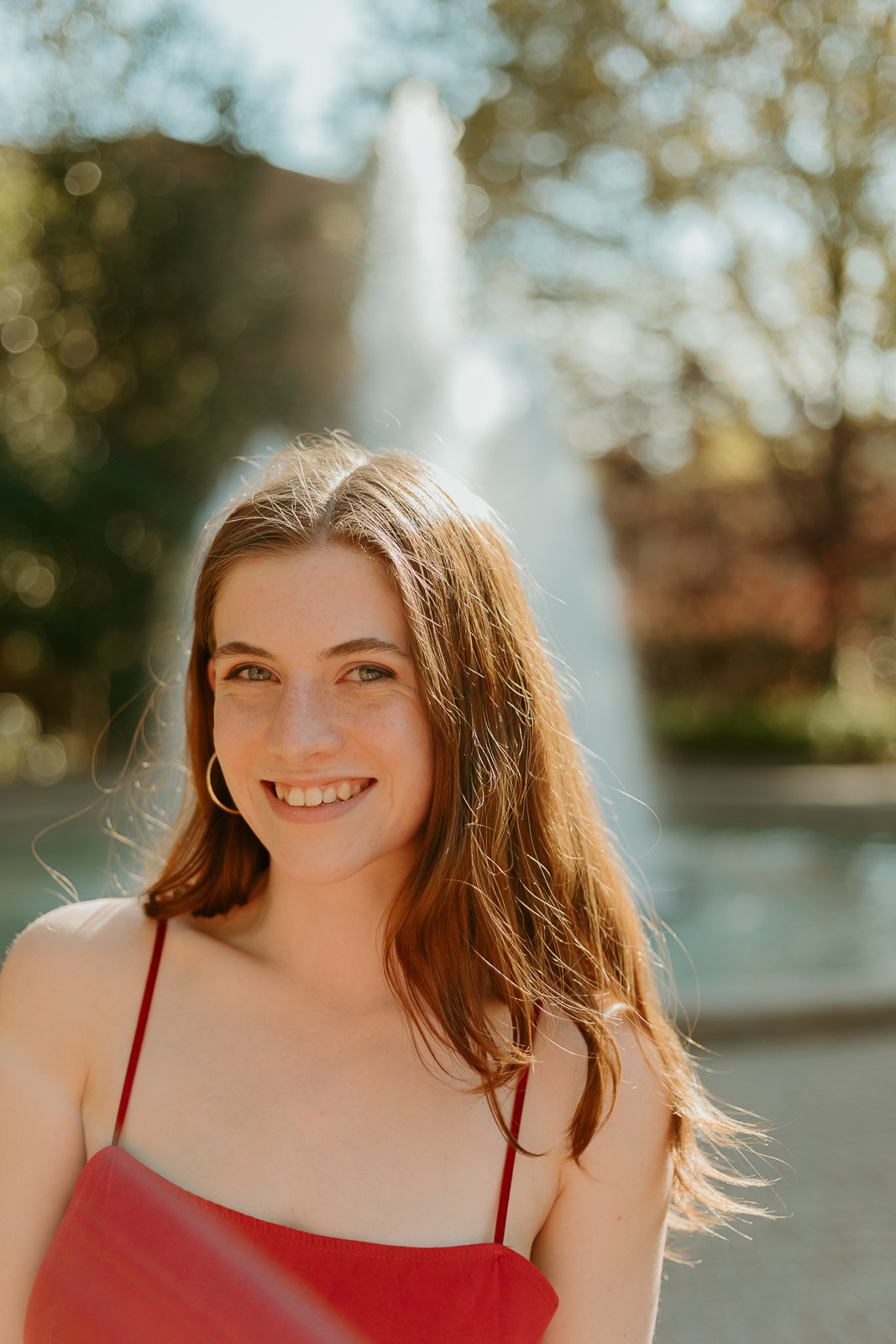
We’re very excited to welcome the new IRIS Communications Coordinator, Olivia Allen, to the IRIS team. A bit about Olivia: she graduated from UGA’s Odum School of Ecology in 2023 with a B.S. in Ecology, with emphases on science communication, freshwater ecosystems, and human geography. During her time as a…
-

IRIS comments on USACE proposal to update PL 84-99 regulations
The US Army Corps of Engineers spends hundreds of millions of dollars every year to repair, rehabilitate, and restore levees that are damaged by floods. Much of that money flows through the Rehabilitation and Inspection Program (RIP), a program governed by Public Law 84-99. The program was created by Congress…
-

Booming populations, rich freshwater diversity, and water scarcity: the common challenges of the towns along the I-85 corridor
The towns that line the I-85 corridor from Atlanta to Raleigh have several commonalities: burgeoning populations, reliance on small rivers and tributaries for water supply and waste disposal, and some of the richest freshwater aquatic biodiversity on the planet. However, these commonalities lead to shared problems. Because of their growing…
-

How do we construct a sustainable future? IRIS affiliate Todd Bridges answers at the annual conference of the Western Dredging Association
Last week, IRIS affiliate Todd Bridges attended the annual conference of the Western Dredging Association, where he gave a presentation titled “The Plant and People Need a Better Way: New Frontiers for Beneficial Use” — in this instance Beneficial Use refers to the practice of using the sediment moved for…
