NEWS
-
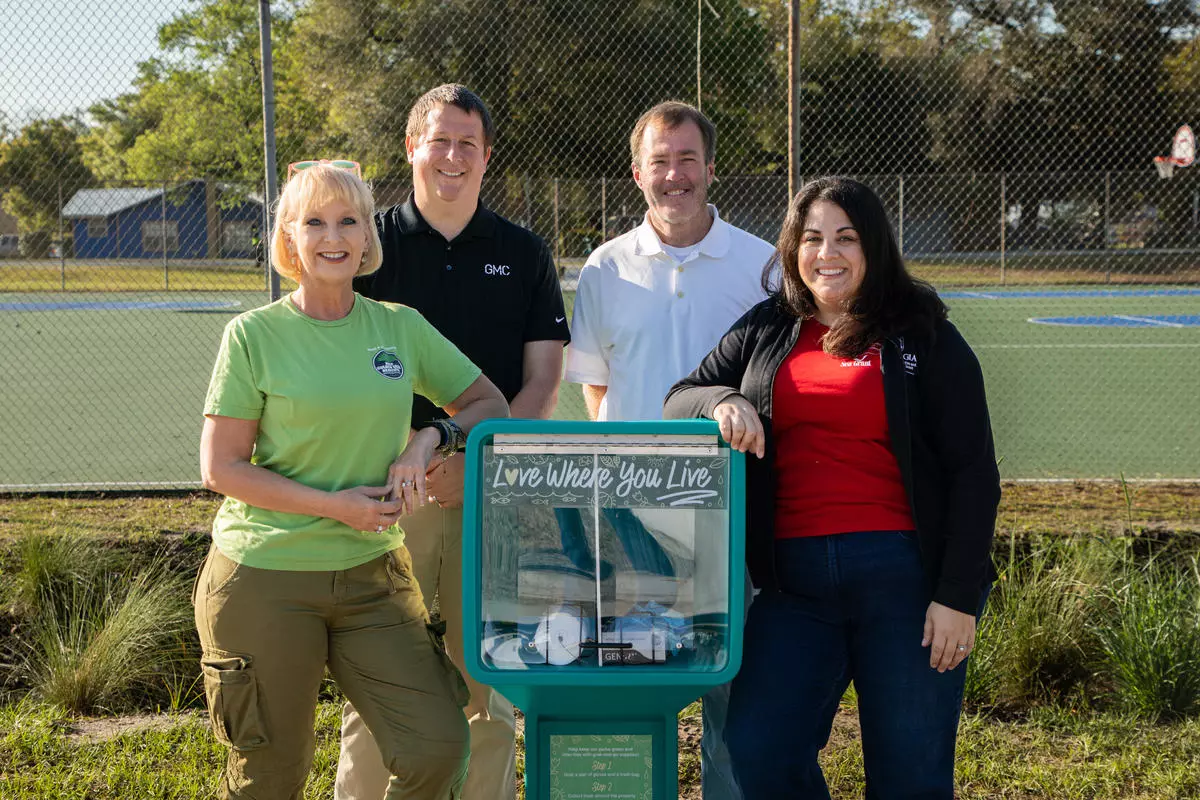
Brunswick Launches “Love Where You Live” Campaign Linking Green Infrastructure and Community Cleanup Efforts
UGA Marine Extension and Georgia Sea Grant, the City of Brunswick, and Keep Golden Isles Beautiful are launching a new community campaign, Love Where You Live, to connect green stormwater infrastructure with hands-on coastal cleanup efforts. The campaign highlights green infrastructure projects installed in public spaces to reduce stormwater pollution…
-
New paper provides framework for understanding oppression in the field of conservation
UGA Media Contacts: Laura German, Lizzie King Science—the process of asking and testing questions to better understand the world around us—has long been a guiding force of Western Civilization. It has guided everything from the development of the world’s largest cities to the ways that natural spaces are handled outside…
-
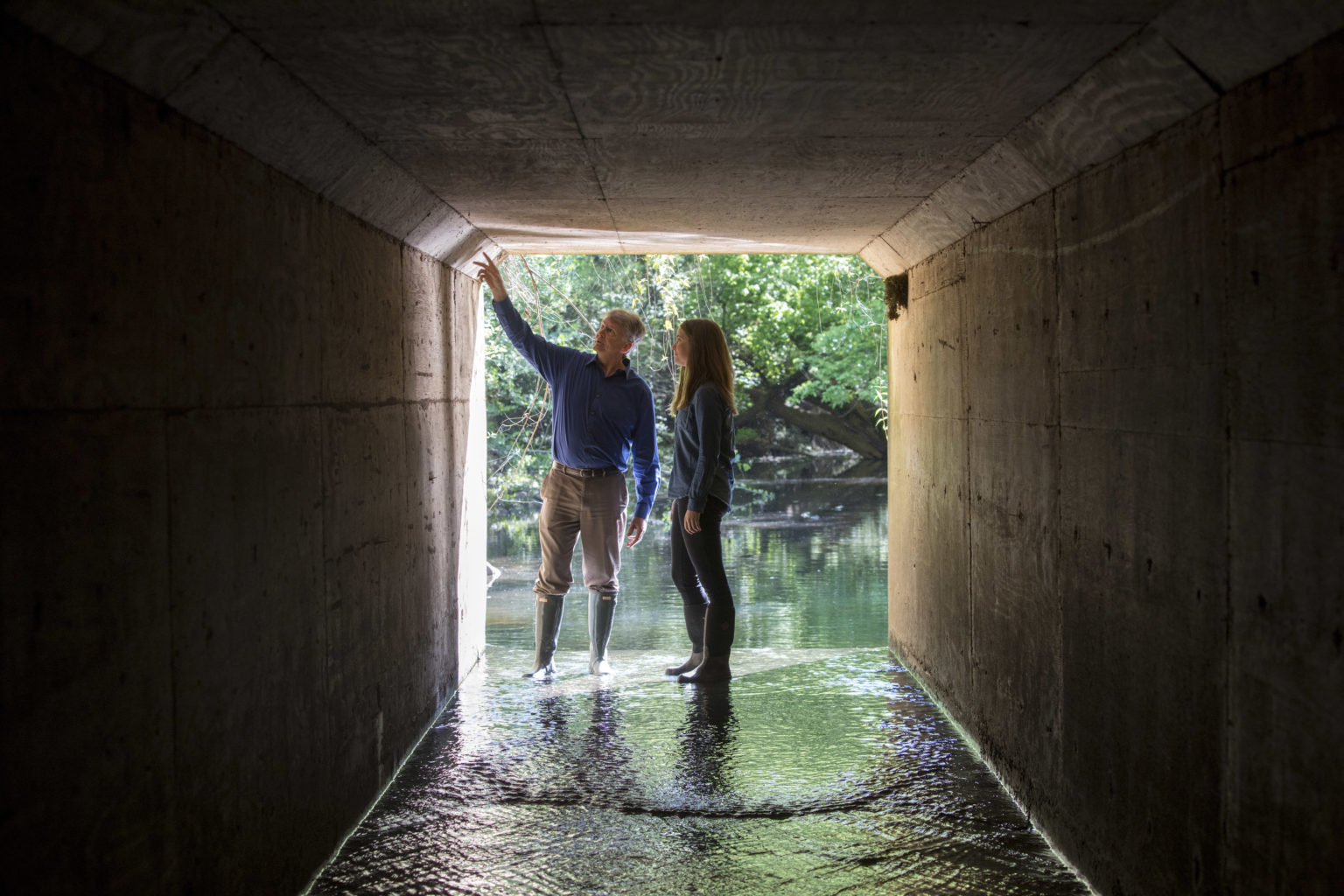
UGA Impact: Outsmarting Disaster with Natural Infrastructure
UGA researchers combine natural and man-made infrastructure to help communities be more resilient. To prepare a community for a flood, engineers design efficient, protective systems to divert and control water. But should that infrastructure take the form of concrete drainage systems, dams, and levees? Or swamps, reefs, and streams?
-

Putting America’s nature on the record
When a change in federal administration priority closed the door on the inaugural National Nature Assessment, the report’s crew of volunteer authors could have stopped. Instead, they opened a window. The team, drawn from academia, nonprofits and industry, chose to continue the work independently to put together a comprehensive report,…
-
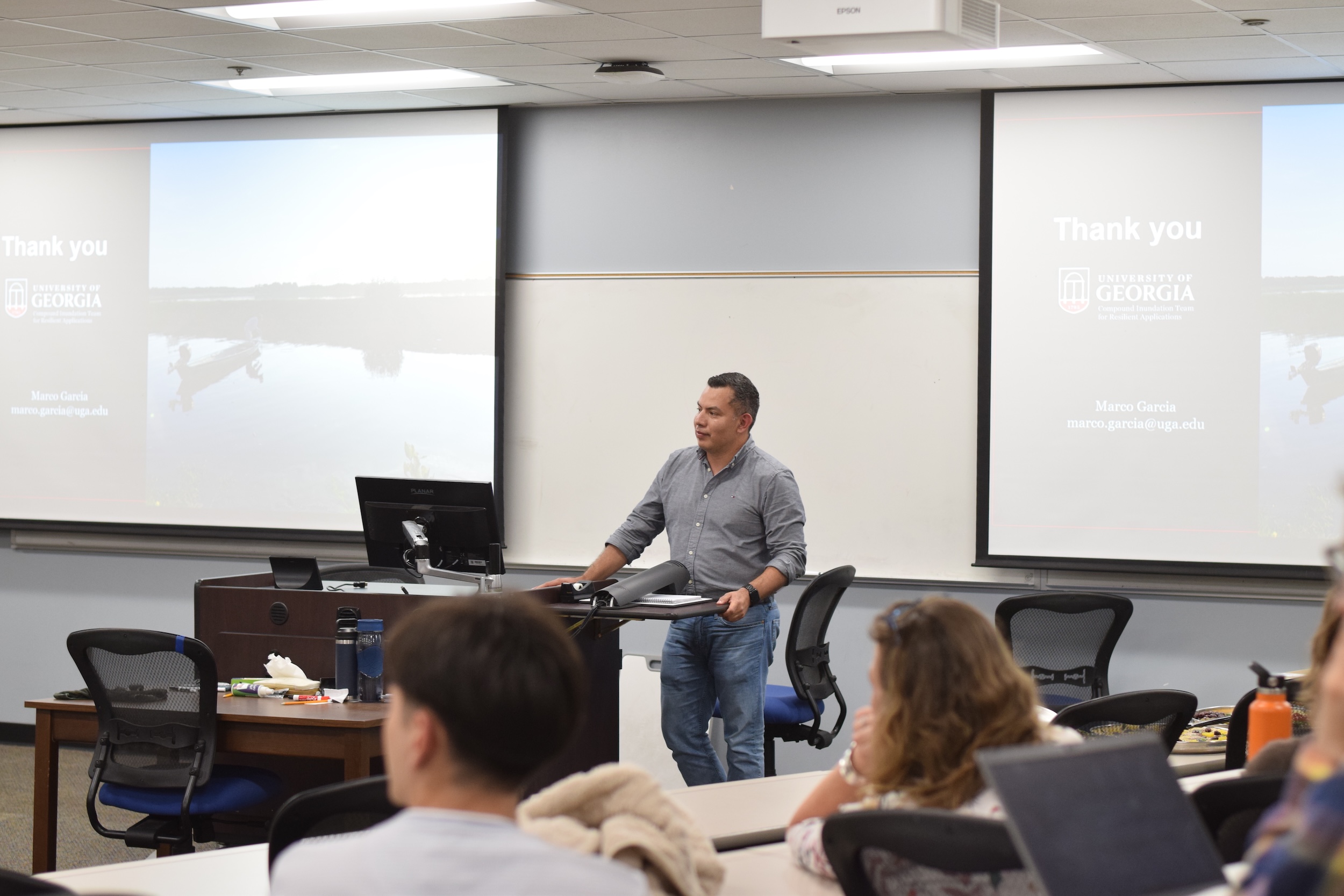
Climate & Water Research Slam spans array of topics
Researchers honed their science communications skills on March 20 by distilling complex, innovative work to just five minutes in the 2026 Climate & Water Research Slam. Over two dozen faculty, graduate students and guests from across campus came together to give lightning talks on an array of water and climate…
-
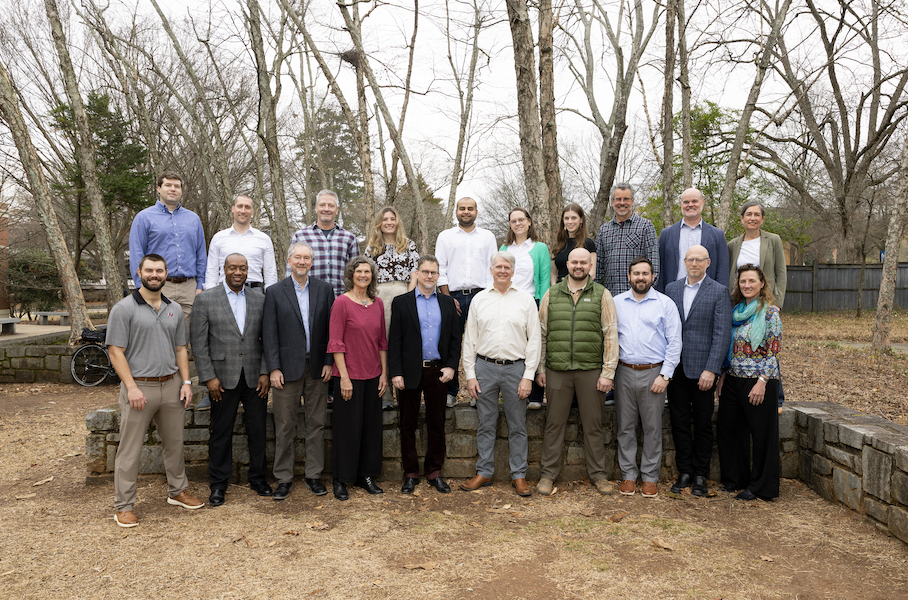
UGA Honors Week: IRIS recognized with Team Impact Award
This week, the University of Georgia is celebrating exceptional faculty, staff, alumni and students during Honors Week, a spring tradition to highlight excellence around campus. The Institute for Resilient Infrastructure Systems is honored to have been recognized with a Team Impact Award. Established by the UGA Research Foundation, these awards…
-
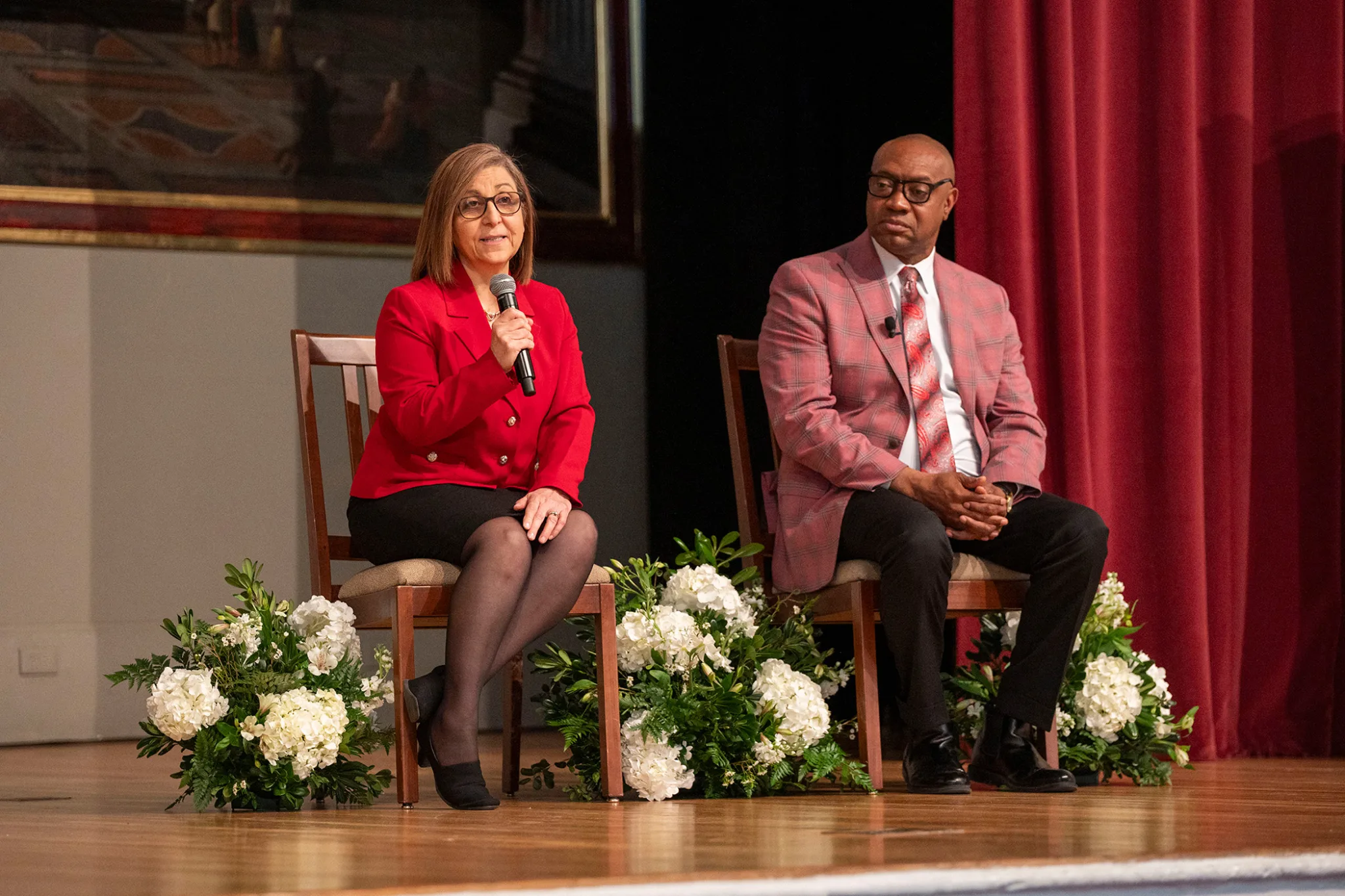
UGA’s 2026 Charter Lecture focuses on AI-human co-evolution and climate risks
Regents’ Professors Elena Karahanna and J. Marshall Shepherd explore technological transformation and extreme weather impacts Two of the University of Georgia’s most distinguished scholars took the stage at the Chapel on March 25 to discuss the “mutual co-evolution” of humans and artificial intelligence and the rising risks of a more…
-

Resilient Futures Podcast: The Gospel of Grass
Patrick Keyser knows the grass may not always be greener–but there’s still a lot to learn from it. Since long before European colonization, grasslands have a rich history as one of North America’s most diverse, resilient, and iconic landscapes. These ecosystems are the epicenters of agriculture in the US, but…
-

Paper outlines pathways to equitable flood adaptation
Many flood adaptation measures exacerbate existing environmental injustices. A new UGA-coauthored perspective suggests strategies to break the cycle. While parts of New York and New Jersey were “building back better” after Superstorm Sandy, residents of flood-prone public housing in Rockaway, Queens, were left without heat or running water for years. A…
-

UGA Researchers create framework for understanding longevity and flood-risk mitigation of coastal marshes
Salt marshes are the quiet heroes of the coast, working behind the scenes to sequester carbon, buffer coastal towns from flooding and provide beautiful recreation spaces for tourists and locals alike. In a new grant through the U.S. IOOS Coastal and Ocean Modeling Testbed for $1.5 million, University of Georgia…
-

Meet our IRIS Affiliates: Qiong Wang
Today we’d like to introduce one of our newer IRIS affiliates, Qiong Wang, an Assistant Professor in the College of Environment and Design, through a Q&A on her research. Qiong joined IRIS in the spring of 2025–and one year later, her team’s project, AI-Driven Decision Support Platform for Smart Disaster…
-
IRIS affiliate faculty represented across four Presidential Seed Grants
We’d like to offer our congratulations to the IRIS affiliate faculty who were represented across four different Presidential Seed Grants.
