NEWS
-

Meet our newest Natural Infrastructure Fellows!
The Institute for Resilient Infrastructure Systems (IRIS) offers funded graduate fellowships for Master’s students interested in natural infrastructure through a partnership with Ducks Unlimited. This fall, we welcomed six new students to this awesome cohort! Chase Morris Advisor: Brian Bledsoe I grew up in Canton, GA where metro Atlanta meets the Appalachian…
-

Behind the City Scenes: Why You Should Get to Know Your Local Infrastructure
Our most recent Resilient Futures Podcast episode is live, featuring Sybil Derrible, professor of civil engineering at the University of Illinois and host Alysha Helmrich. Listen here. Podcast description: Have you ever asked your garbage truck where it’s going? Sybil Derrible is a professor of civil engineering at the University…
-
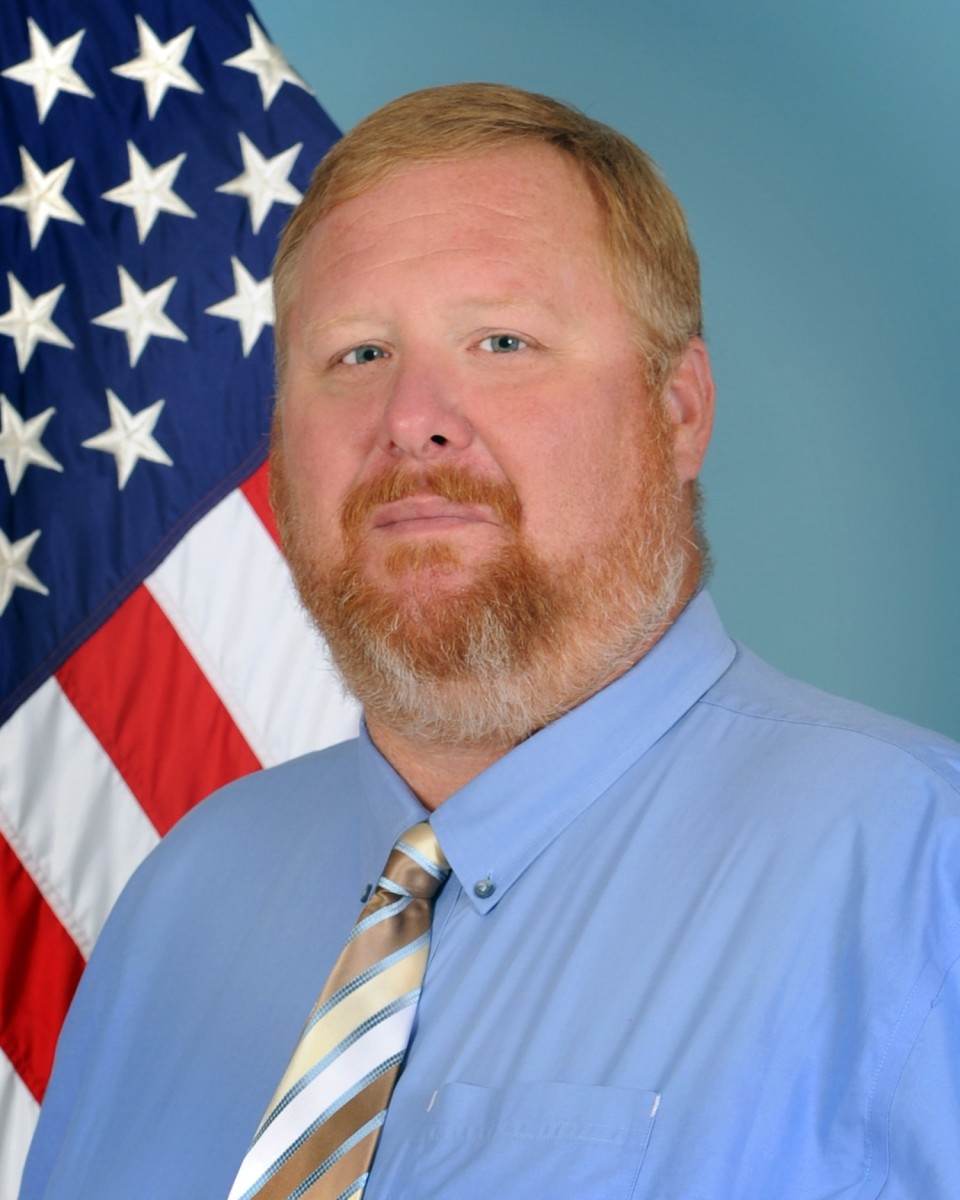
Partners at Warnell School of Forestry and Natural Resources hosts Brent Widener
On Thursday, September 4th at 3:30 p.m. our partners at Warnell School of Forestry and Natural Resources will host Brent Widener, the Environmental Division Chief at Fort Benning, in Warnell 1-304. As a former Warnell graduate, Brent will talk about his path from Warnell to his current role, how the…
-
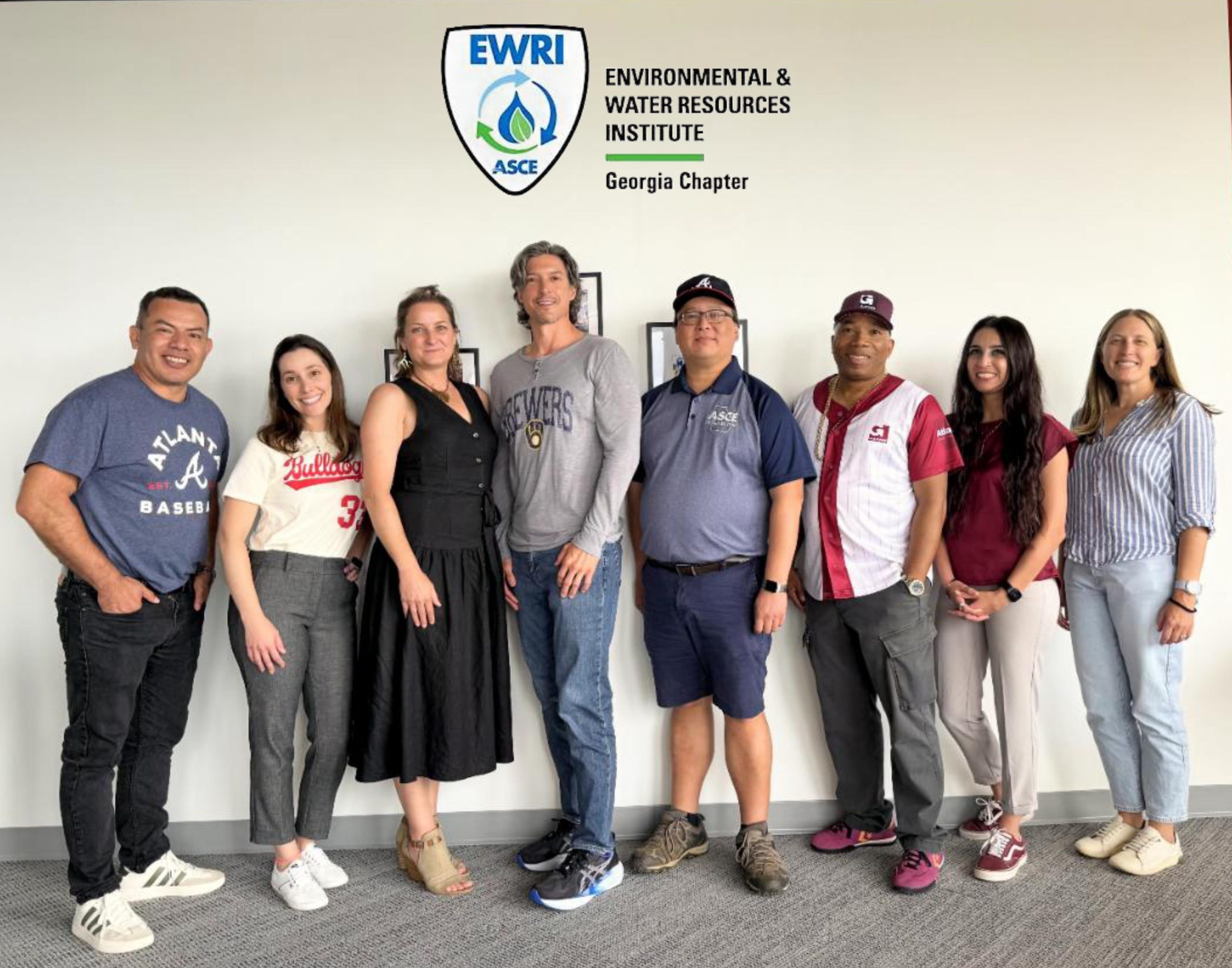
UGA IRIS students join Environmental & Water Resources Institute board
We’re proud to announce that four of our UGA IRIS Ph.D. students from the Compound Inundation Team for Resilient Applications (CITRA) Lab have been appointed board positions in the Environmental & Water Resources Institute. The appointees include: Immediate Past Chair/Co-Chair – Marco Garcia Program Coordinator – Luciana Iannone Tarcha Secretary – Nazife Oruc Baci…
-

Natural Infrastructure Graduate Fellowship Sponsors visit UGA
ATHENS, GA – In partnership with Ducks Unlimited (DU), the Institute for Resilient Infrastructure Systems (IRIS) offers funded graduate fellowships for Master’s students interested in the science and engineering of Earth’s natural infrastructure to deliver water quality, habitat, flood protection, recreation and benefits using natural systems. These Natural Infrastructure Graduate…
-
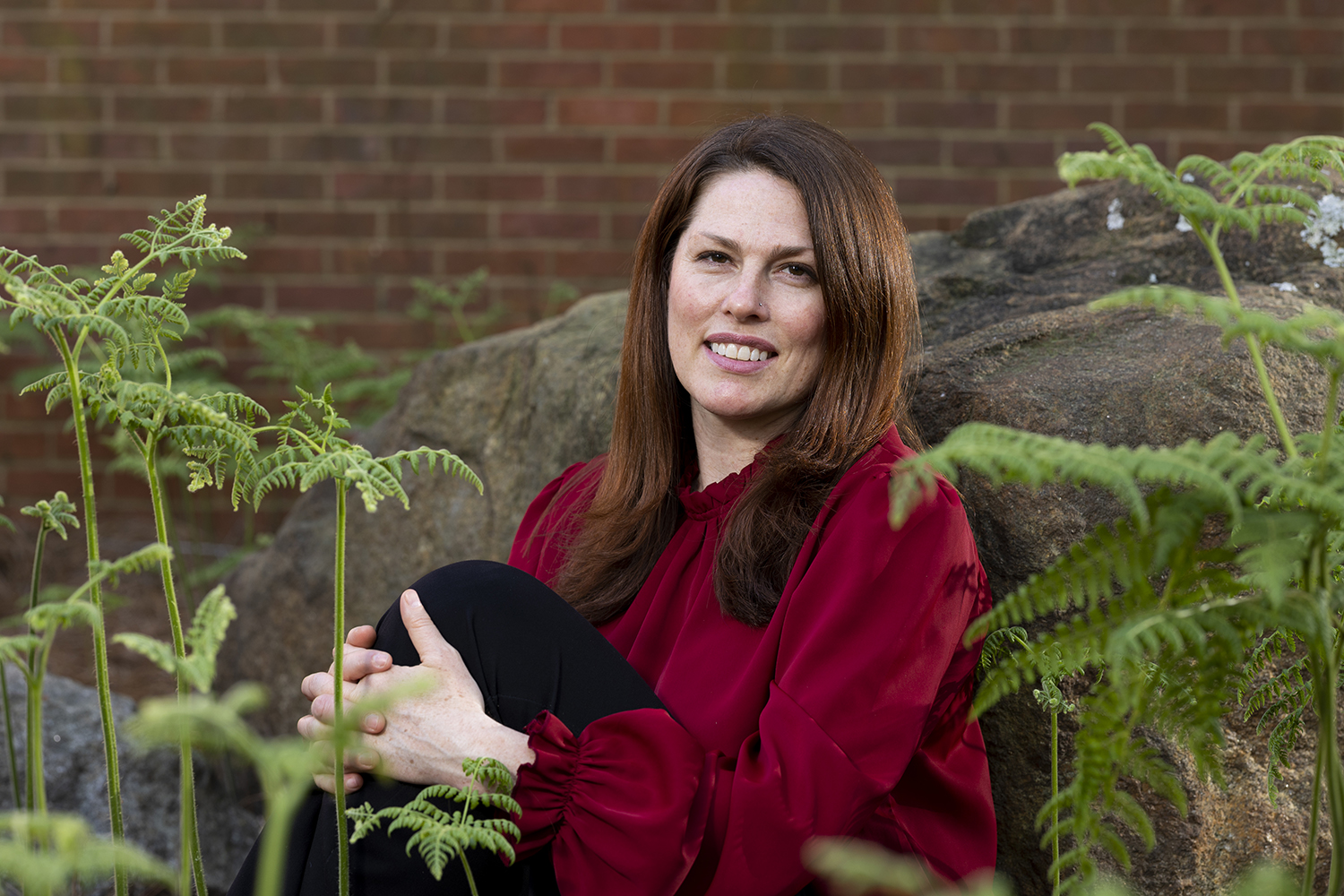
Odum School of Ecology professor brings wastewater professionals together to talk septic
By Allison Floyd, UGA River Basin Center More than one-third of homes in parts of the Southeast rely on septic systems, but decentralized wastewater infrastructure is underfunded, aging, and poorly maintained, leading the systems to fail, pollute public waterways, and pose a health hazard. Krista Capps, Associate Director of the River…
-
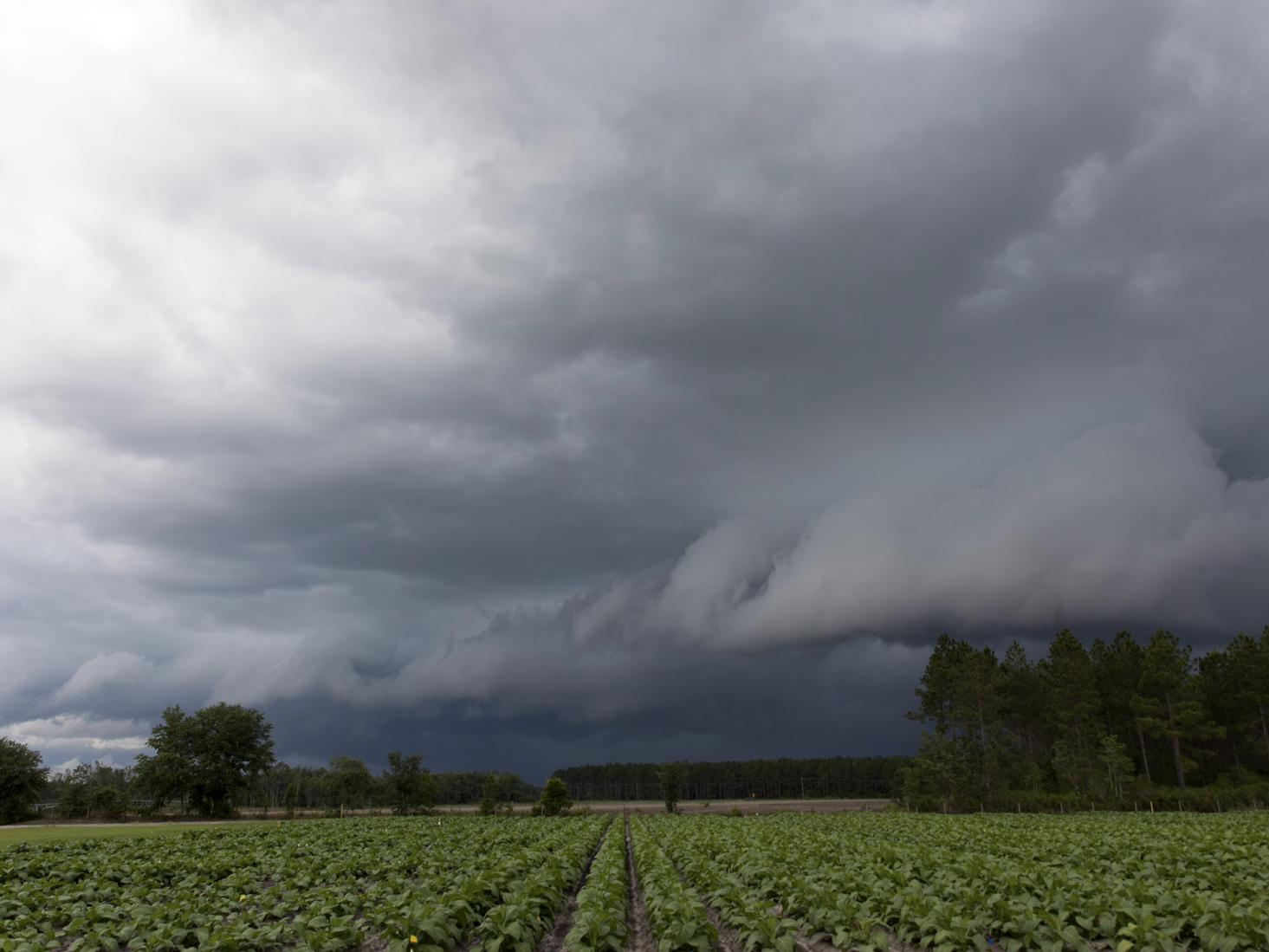
Protecting Georgia from Disasters Requires State-Led Coordination
New University of Georgia Institute for Resilient Infrastructure Systems report provides steps to make Georgia more resilient ATHENS, GA – When Hurricane Helene swept across Georgia in 2024 and left devastation in its wake–including an estimated $6.4 billion in agricultural and timber losses–it underscored a fine point: that communities are…
-
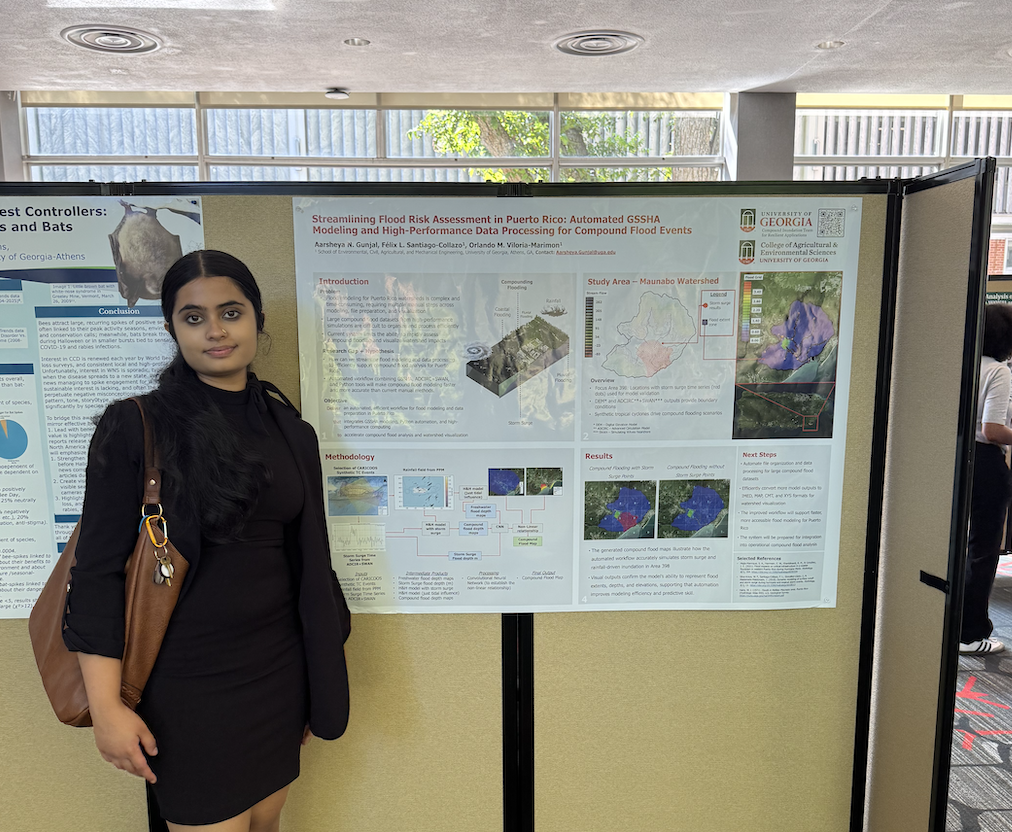
Q&A: CITRA hosts a Young Scholar Summer Intern
Meet this summer’s Young Scholar, Aarsheya Gunjal! Gunjal joined Dr. Felix Santiago-Collazo’s Compound Inundation Team for Resilient Applications (CITRA) Lab this summer for the Young Scholars Program (YSP) at UGA. Gunjal has been interested in science and coding since sixth grade, and joined the team this summer to learn more…
-
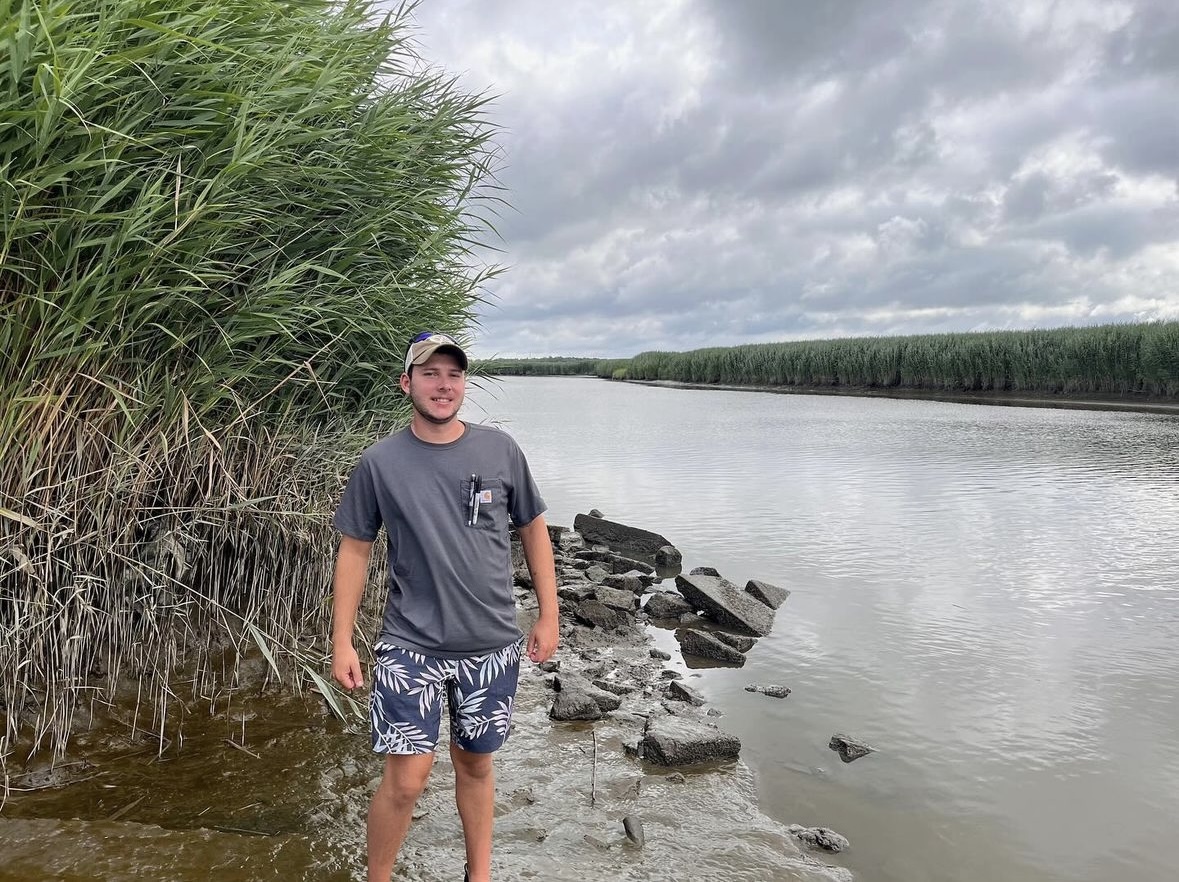
Saving Mannington Meadows: Natural Infrastructure Fellow paves the way for wetland restoration
Graduate student Nicholas Austin has spent the last two years compiling a full profile of a once-freshwater wetland in New Jersey. His work is not only a thesis topic for his own Master’s degree, it’s blazing a path for future students to continue working towards the protection of this site. …
-
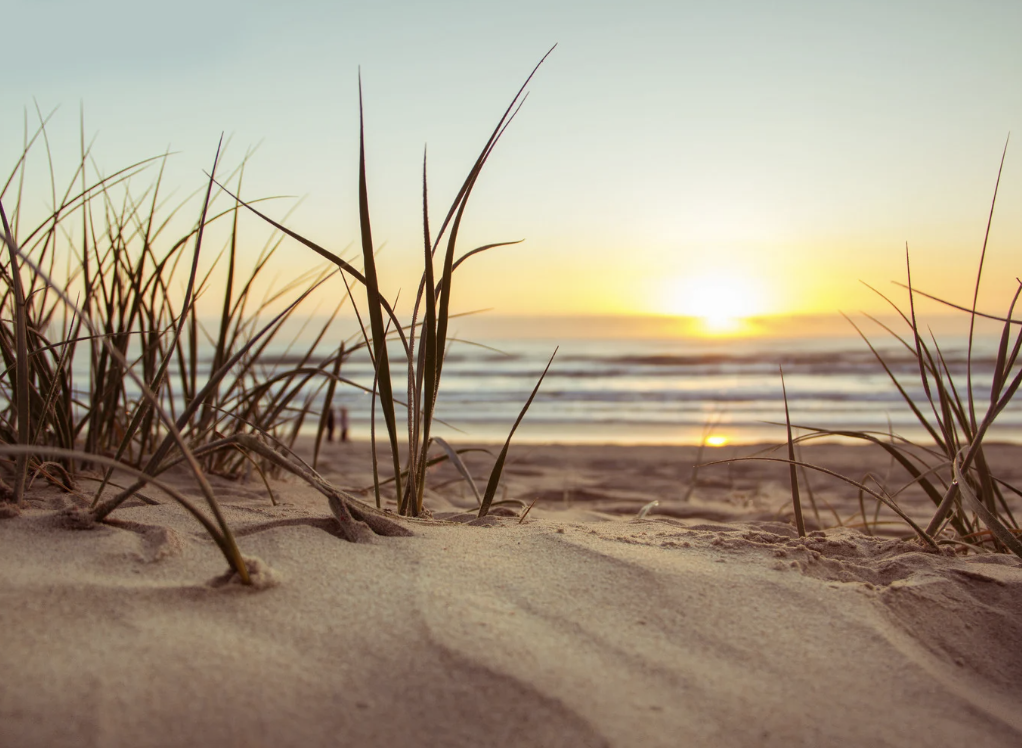
“A Blueprint for Greener Shorelines:” New publication suggests future directions for coastal resilience research
In a new publication, IRIS affiliate and coastal engineer Matt Bilskie joins authors from around the world to further the cause of nature-based solutions for coastal ecosystems. Nature-based solutions (NbS) are designed to provide infrastructure services by leveraging ecological processes that protect people and ecosystems while building resilience. In coastal…
-

Recede to Succeed? UGA researchers investigate how levee setbacks impact biodiversity
As organizations around the world work to better understand the benefits that natural infrastructure can provide both people and the environment, IRIS researchers are doing on-the-ground work to estimate the ecological benefits of a method touted for its benefits both up- and downstream: the levee setback. While traditional levees are…
-

New Resilient Futures Podcast: How America’s Historical Calamities Inform Emergency Response Today
Cynthia Kierner, historian, self-declared “non-21st century person,” and Mets fan, is deeply interested in the role of disturbances across American history- hurricanes, earthquakes, and disease, oh my. In her book, Inventing Disaster: The Culture of Calamity from the Jamestown Colony to the Johnstown Flood, she reviews the history of natural…
