NEWS
-

Van Rees illuminates path toward a more biodiverse future
Polls show the public widely supports protecting biodiversity, but how we get there—or even what a biodiverse future looks like—isn’t as clear. A new paper led by Odum School of Ecology assistant professor Charles van Rees is helping to chart a path to restoring and saving biodiversity, much like how…
-

IRIS Year in Review: 25 Papers for 2025
2025 has been an eventful year for IRIS! As part of our annual, end-of-year tradition we’ve collected 25 papers from across 2025 (ordered by publication month) that showcase our unique interdisciplinary focus. The Institute for Resilient Infrastructure Systems was chartered by the University of Georgia in late 2016. If you’d…
-

Ensuring success for green agriculture technology– and the people who use it
Across the globe, new technologies are transforming the way we farm. From smart irrigation systems to genetically improved seeds, these innovations promise a future where agriculture is both profitable and sustainable. Programs around the world from nonprofit organizations, such as the Gates Foundation and World Bank, are pitching them as…
-
Meet the IRIS students graduating this semester!
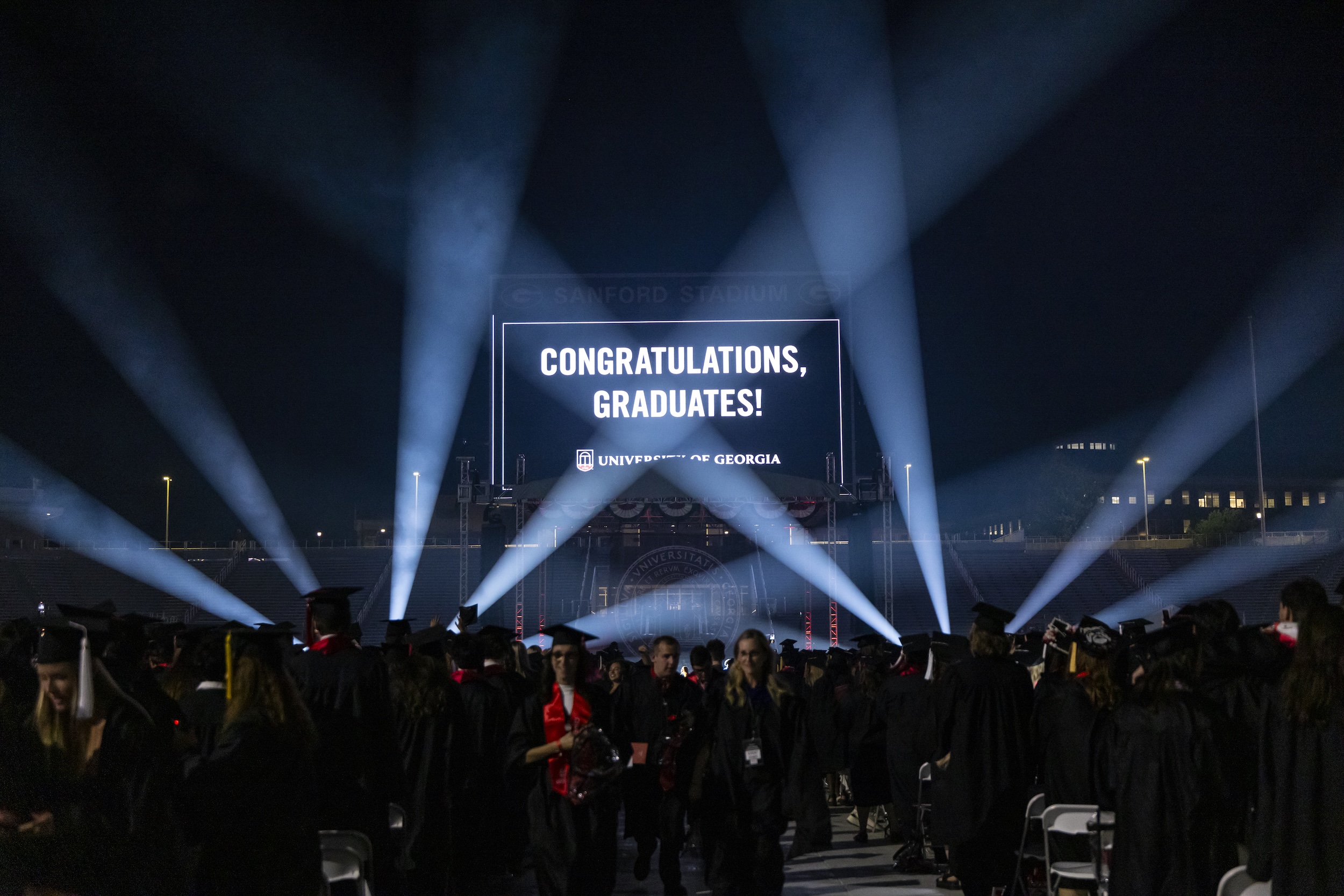
Friday, December 12 is the University of Georgia’s official convocation day for Fall 2025 graduates, and we’re proud to congratulate a number of students, including four of our Natural Infrastructure Fellows, as part of the graduating class! Elizabeth Collins, College of Engineering Advisor: Dr. Brock Woodson had the greatest impact…
-
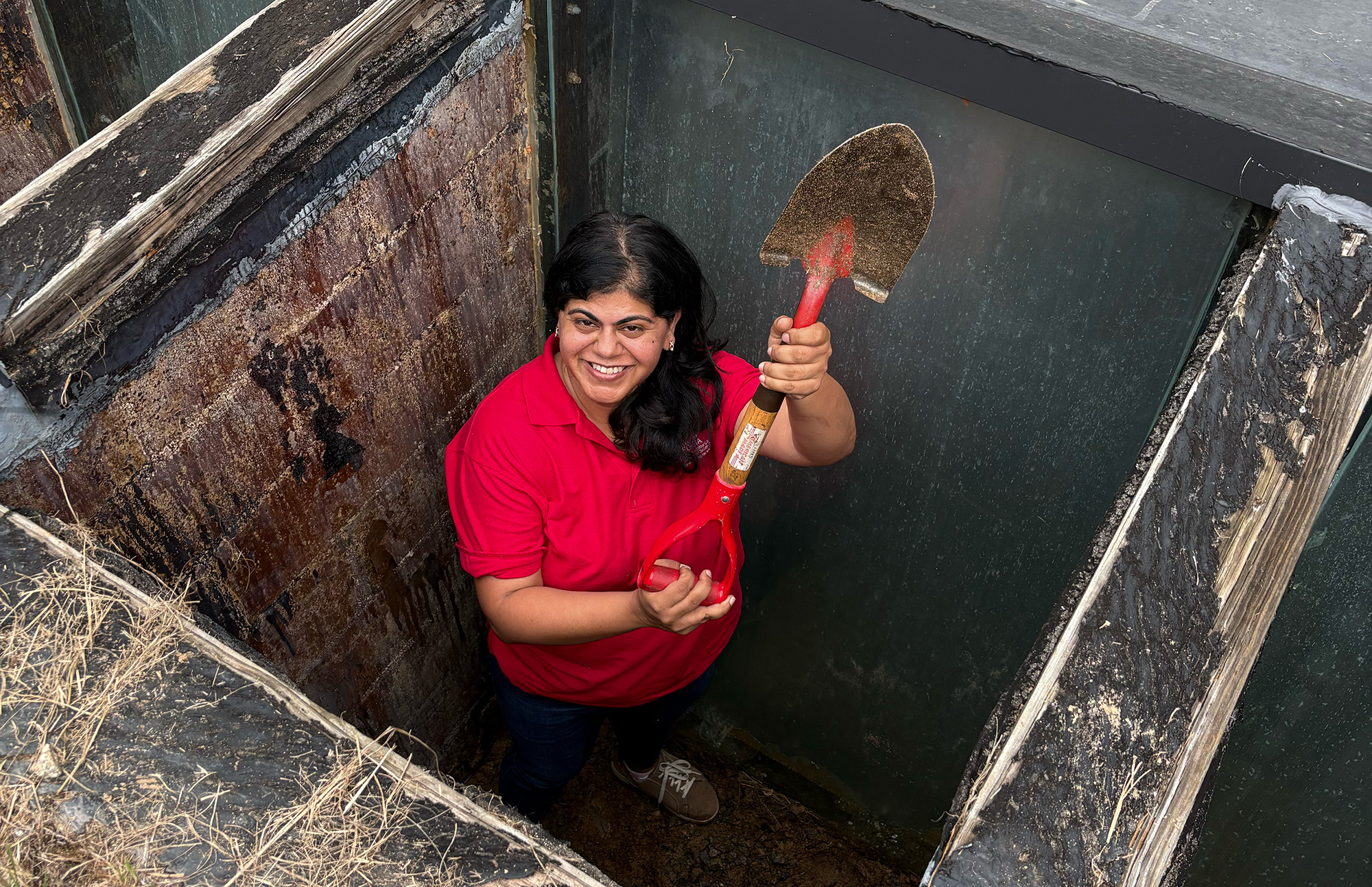
UGA River Basin Center: Gaur studies soils as an ecosystem
Gaur works in the Crop and Soil Sciences Department of the University of Georgia’s College of Agricultural and Environmental Sciences, but her degrees all are in engineering.
-
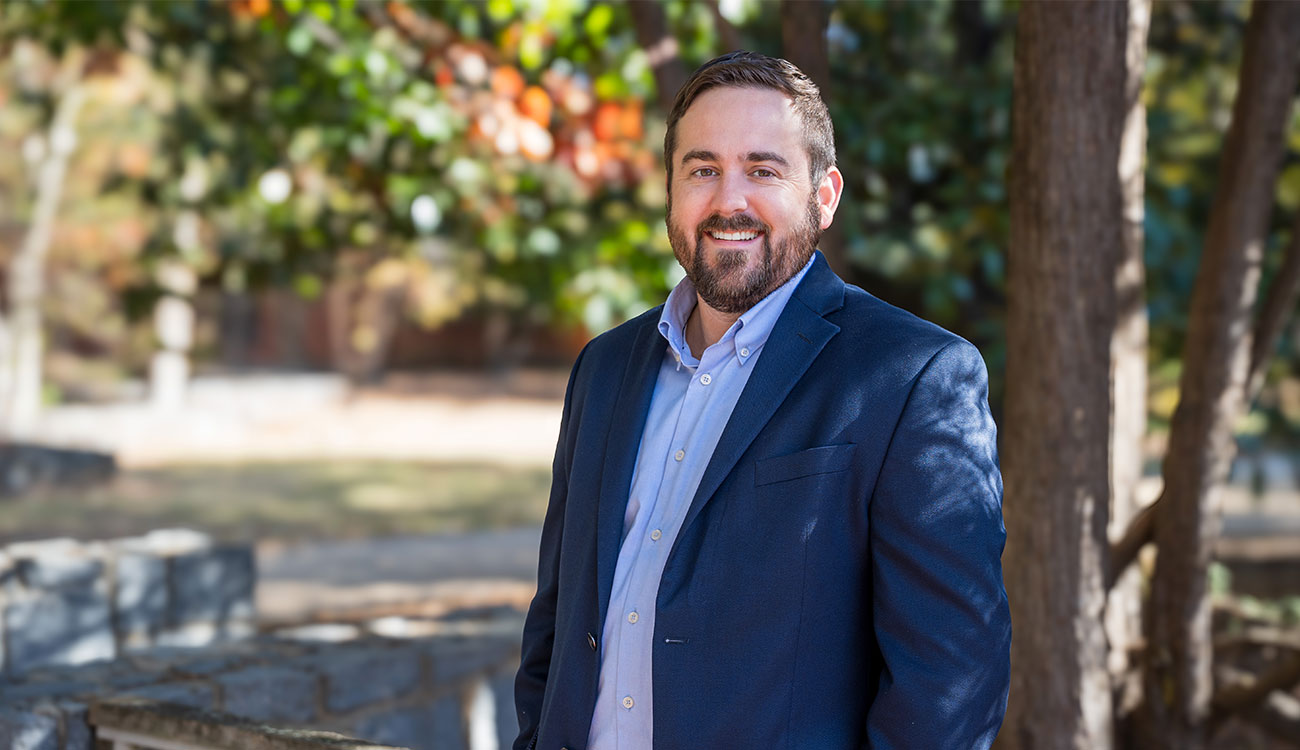
Matt Bilskie improving coastal resilience through collaboration and mentorship
The mood in Matt Bilskie’s office in the University of Georgia’s ISTEM complex is at odds with his area of study. Sunlight streams through a large window, highlighting a peaceful space centered around a painting of an ocean landscape. The space is tidy, though clearly well used, and radiates a…
-

Natural Infrastructure class presents final projects with real-world impact
It’s finals week at the University of Georgia, but this class capped off their coursework outside the classroom. In a poster session held on Reading Day, December 3, the Fundamentals of Natural Infrastructure course (ENVE 8310) held a poster session to dicsuss their projects on Paradise Cut, a $1 billion…
-

New Resilient Futures Podcast: The role of insurance in resilience
Disasters are affecting more people and property than they ever have before. Since 1980, the U.S. has experienced 400+ weather-related “billion dollar” disasters, $3 trillion in economic impacts, and thousands of lives and livelihoods. In the effort to build our disaster resilience as a society, what’s the role of insurance?…
-
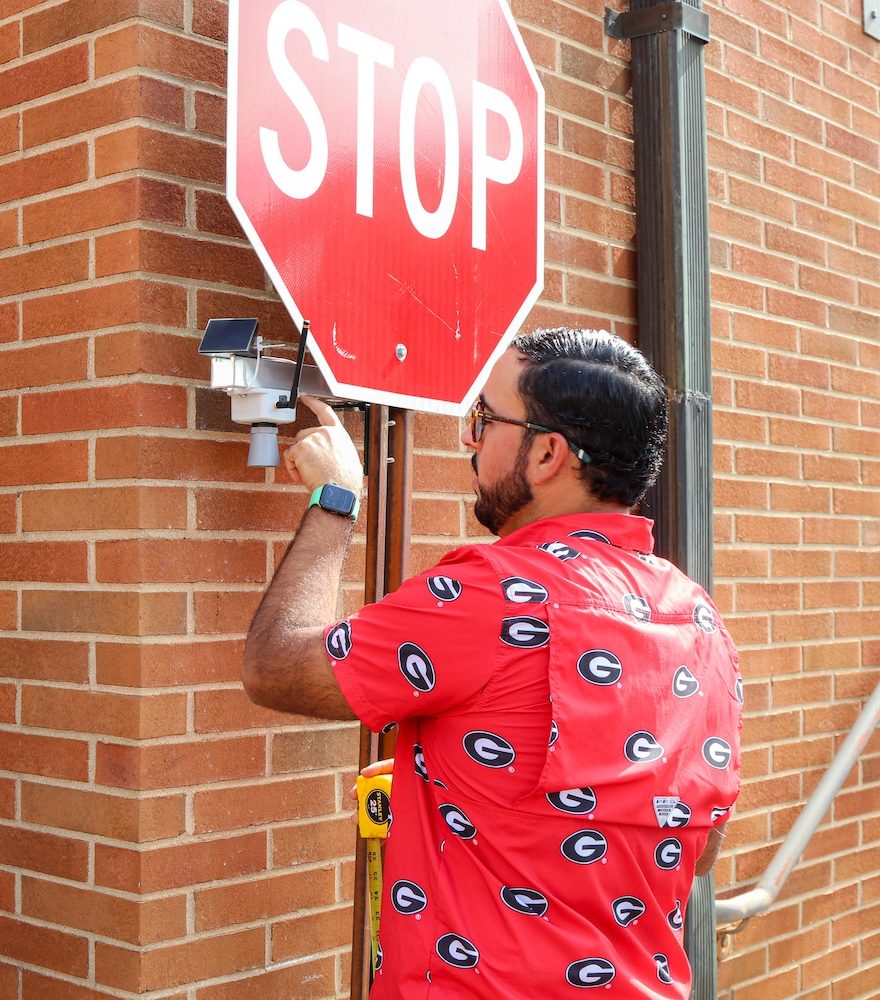
Early warning system will warn San Juan residents exactly which streets will flood: Featured in Yale Climate Connections
Research to create more advanced early warning flood systems in San Juan, Puerto Rico was recently featured by Yale Climate Connections. Funded by the National Science Foundation and led by IRIS affiliate Felix Santiago Cruz, the work combines the knowledge of locals about high-flood areas with inexpensive, solar-powered sensors. Read…
-

IRIS Students shine at annual Confluence Poster Contest
On Friday, November 14, the University of Georgia’s River Basin Center hosted their third annual poster contest, showcasing work on all things water resources. Graduate students from across campus were invited to share their work at the Special Collections Library on UGA’s campus. Topics from the full range of water…
-

Ducks Unlimited Magazine features Natural Infrastructure Graduate Fellowship
As floods, droughts, and storms intensify and aging infrastructure struggles to keep up, wetlands are increasingly in the spotlight—not just as habitat, but as vital systems that buffer storms, absorb floodwaters, and improve water quality across entire landscapes. The Natural Infrastructure Graduate Fellowship, launched in 2022 by Ducks Unlimited and the University…
-

Listening In On Levee Setbacks
IRIS researchers are tuning in to how riverine infrastructure shapes the landscape–and soundscape–of ecosystems. As part of a NASA-funded research effort, assistant professor Charles van Rees and his research team have deployed automated recording units, or ARUs, across study sites on the Missouri River to listen in on the local…
