NEWS
-

Upcoming N-EWN Webinar: Capturing and Quantifying the Multi-Scale Benefits of Natural Infrastructure
The Network for Engineering with Nature (N-EWN) invites you to join us for The N-EWN Knowledge Series: A Continuing Education Series about Engineering with Nature. The next webinar will be held on Thursday, January 20th at 12:30 EST. Todd Swannack will discuss capturing and quantifying the multi-scale benefits of natural…
-
Young Dawg Spotlight: Gretchen Hinger
Meet the latest Young Dawg part of the IRIS team: Gretchen Hinger. The UGA Young Dawgs program is a high school internship program designed to prepare highschool juniors and seniors for college-level research. Hinger joined the IRIS team from Clarke Central High School. During her time at UGA, she worked…
-

What is infrastructure?
When most of us think about infrastructure, we envision the bridges, roads and network of pipes that help our communities run. However, there are all kinds of natural systems that provide support to our society, including the forests that help purify our drinking water and absorb run off to prevent…
-
Brian Bledsoe and Don Nelson Explore the Importance of Taking Cues from Nature
“Infrastructure must become more resilient as the global climate changes and also more affordable in the economic and political context of a post-COVID world. We can solve this dual challenge and drive global infrastructure investment into a more sustainable direction by taking our cues from Nature,” write Brian Bledsoe and…
-
IRIS selected to develop innovative approaches for resiliency at military installations
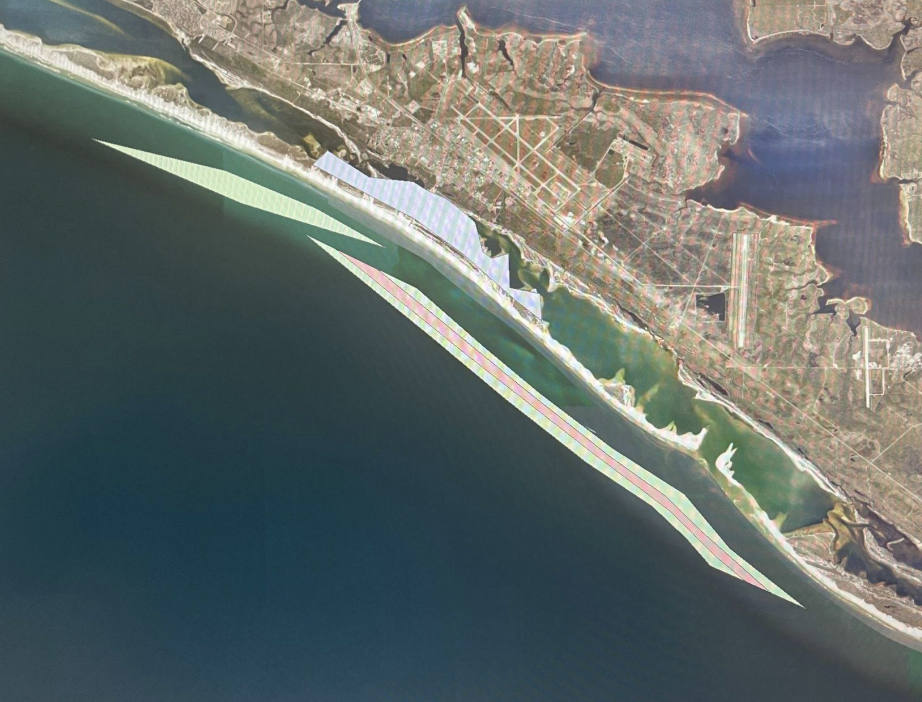
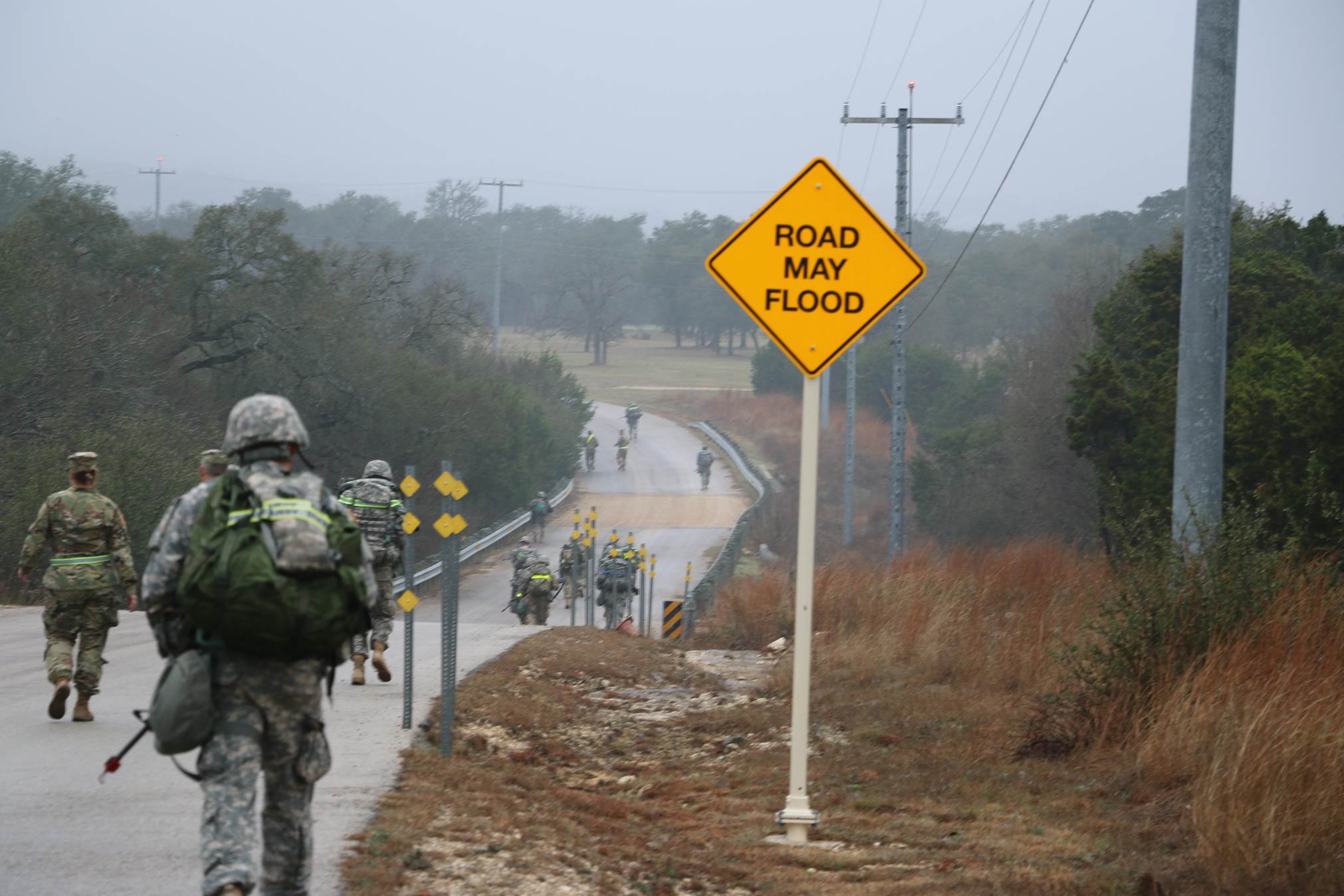
The Institute for Resilient Infrastructure Systems (IRIS) at the University of Georgia was selected by the U.S. Army Corps of Engineers to develop innovative approaches for collaborating with U.S. military installations and their adjacent communities to increase resilience through Engineering With Nature and natural infrastructure solutions. With a team whose…
-

Story Map: At what scale does natural infrastructure have the biggest impact on community resilience?
As part of the N-EWN collaboration, IRIS researcher Dr. Matt Bilskie (Assistant Professor in the College of Engineering, University of Georgia), along with his research partner with the U.S. Army Corps of Engineers, Dr. Amanda Tritinger and their team of collaborators set out to find out. It can be difficult…
-
NEXT WEEK: KICKING OFF THE N-EWN KNOWLEDGE SERIES WITH BROOK HERMAN!
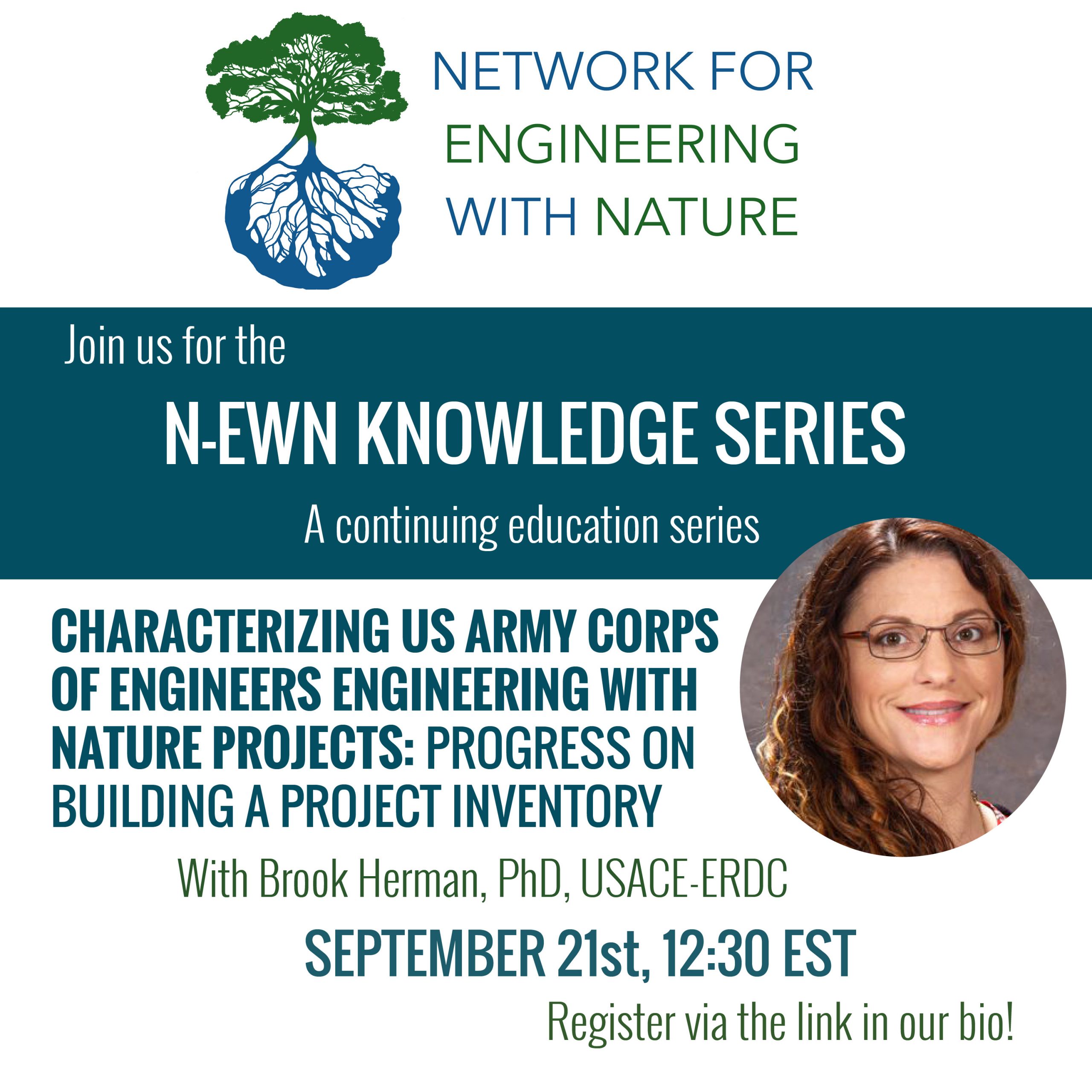
The Network for Engineering with Nature (N-EWN) invites you to join us for The N-EWN Knowledge Series: A Continuing Education Series about Engineering with Nature. The next webinar will be held on Tuesday, September 21 at 12:30 EST at which Brook Herman (PhD, USACE-ERDC) will be sharing about characterizing USACE…
-

Dr. Marshall Shepherd Explains the Human Impacts of the Flooding in New York City in Latest Forbes Article
In his latest article in Forbes, Let’s Talk About Human Impacts on the New York City Floods — It’s Not Just Greenhouse Gases, Dr. Marshall Shepherd, Climate Science and Outreach Director for IRIS, digs into how humans impacted flooding in New York City during the aftermath of Ida. “Many mitigation…
-

Research Highlight: Flood Resilience for the City of Tybee Island
Residents along Georgia’s coast are familiar with flooding, but the recent rise in sea levels means those floods have grown more frequent due to rising high tides, even on sunny days without rain. Researchers from the University of Georgia’s Institute for Resilient Infrastructure Systems (IRIS) and River Basin Center (RBC)…
-

A win-win solution for Fort Benning
Through his work at the UGA Carl Vinson Institute of Government, IRIS affiliate Scott Pippin is helping to meld military mission with support for the surrounding community on the military site Fort Benning. “The military has its mission and its goals, and those are the drivers behind this,” Pippin is…
-
Research Highlight: IRIS Affiliate Sonny Kim develops a new system to monitor carbon in salt marshes
Article by Mike Wooten, first published on News, College of Engineering Coastal salt marshes play an oversized role in regulating the planet’s climate thanks to their ability absorb massive amounts of the greenhouse gas carbon dioxide from the atmosphere. While they occupy less than 2% of the ocean surface, scientists…
-
IRIS Researchers Nandita Gaur and Brock Woodson selected for Leading Large Integrative Research Teams Workshop Series
We’re excited to announce that Dr. Nandita Gaur, Assistant Professor in the College of Agricultural and Environmental Sciences, and Dr. Brock Woodson, Associate Professor in the College of Engineering, were recently selected to participate in the Leading Large Integrative Research Teams workshop series (L2-IRT). Participants are selected through a nomination…
