NEWS
-

Research Update: Gauging Carbon Levels in Salt Marshes
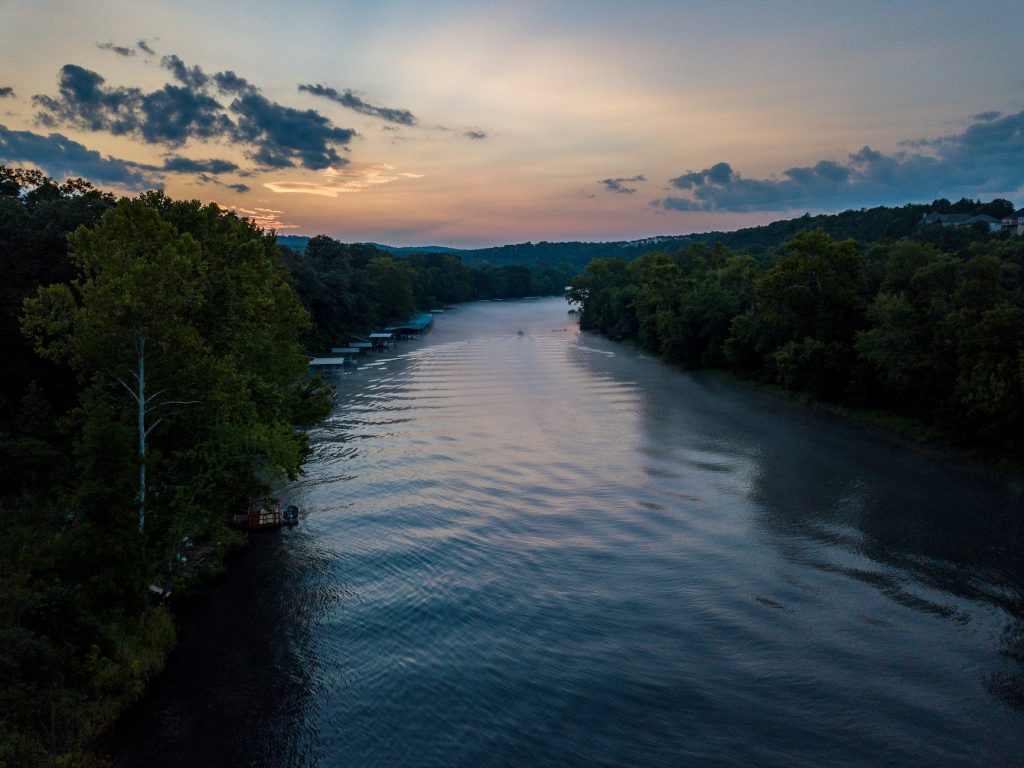
Salt marshes store roughly 25% of the world’s carbon, despite only making up about 5% of the world’s surface. Beyond that, they are an important form of natural infrastructure, mitigating the impacts from storms and reducing flooding in nearby towns and cities. However, salt marshes face serious challenges due to…
-
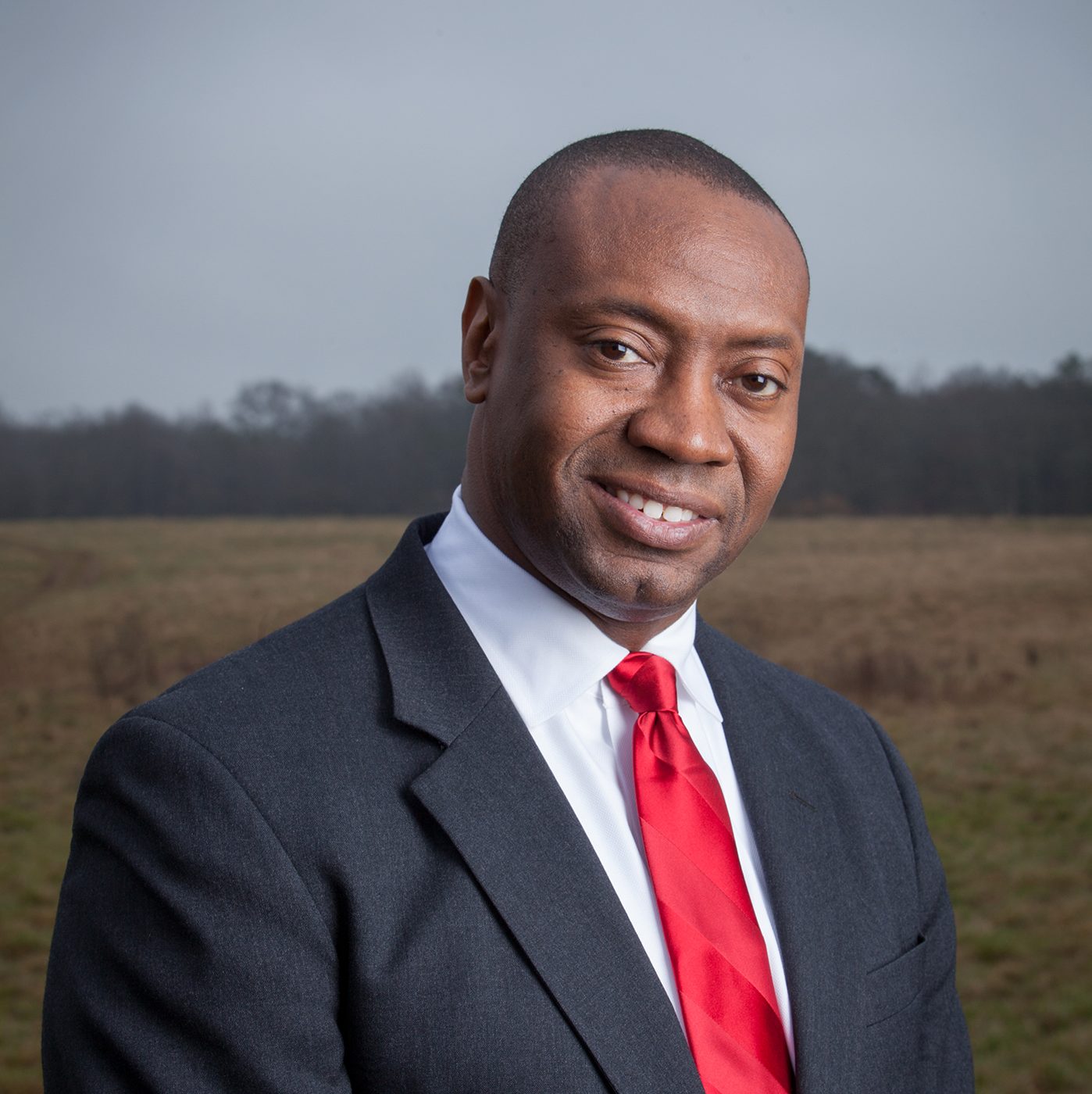
Dr. Marshall Shepherd wins 2022 Faculty Achievement Award for University of Georgia
Dr. J. Marshall Shepherd, Georgia Athletic Association Distinguished Professor, recently won the 2022 Faculty Achievement Award for the University of Georgia. As the SEC puts it, “A leading international weather-climate expert, Dr. Shepherd is a member of the National Academy of Sciences, National Academy of Engineering, and American Academy of…
-
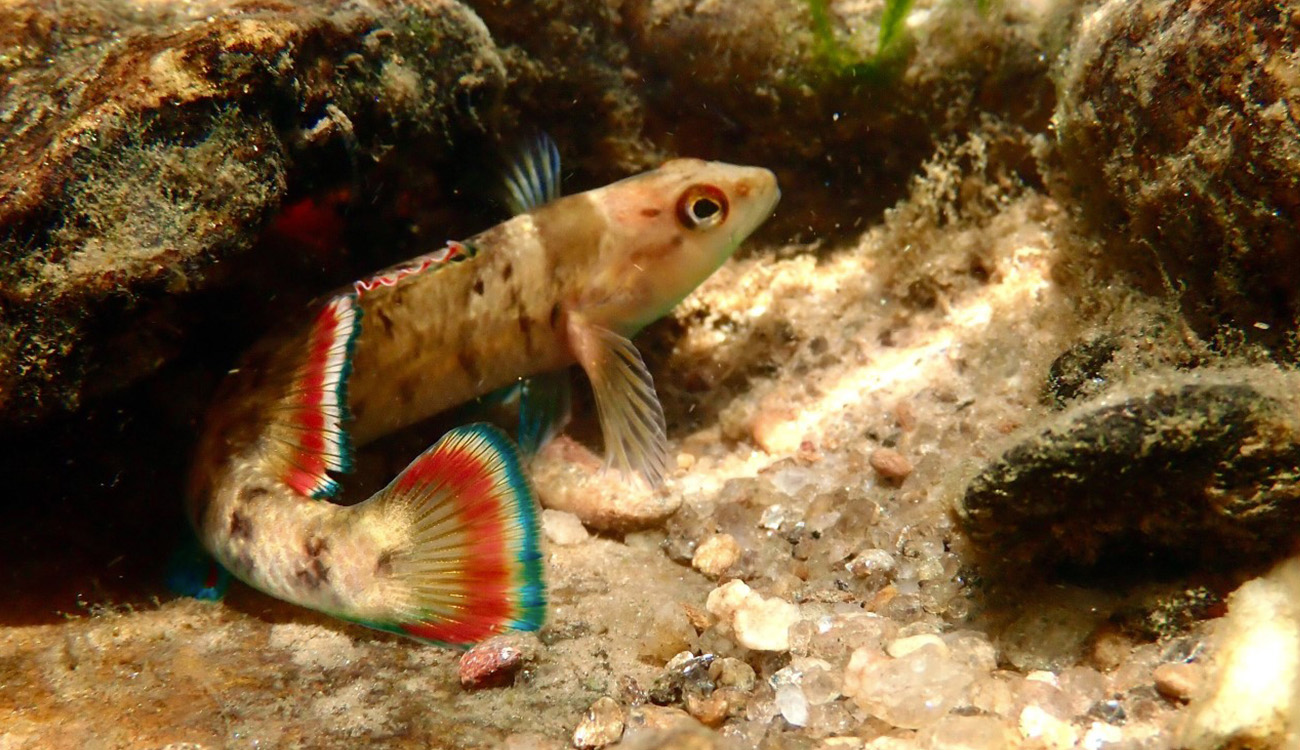
Precision conservation saves time, money–and species
A tiny, rainbow-finned fish lives in the swiftly flowing waters of Georgia’s Etowah River. Known as the Etowah darter (Etheostoma etowahae), it exists only in the Etowah River Basin, mainly inhabiting the mountain streams of North Georgia. The Etowah darter is only one example of the diverse array of freshwater…
-

Stream Crossings in Georgia: A Handbook for Connectivity and Resilience
As you drive the winding roads of Georgia, it’s a common occurrence to sail over a culvert or bridge and get a brief glimpse of a stream burbling away into the overgrowth before you’re whisked on to new views. These intersections of infrastructure and nature are so commonplace that we…
-
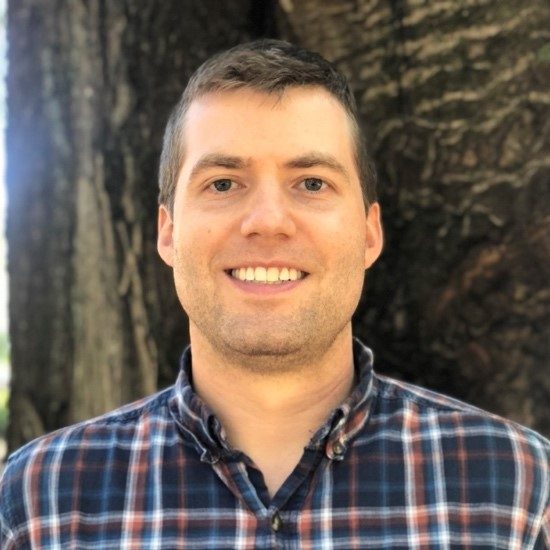
Rethinking Riverine Flooding: Q&A with Matt Chambers
Matt Chambers is a PhD student working under IRIS Director Dr. Brian Bledsoe. His work modeling the impacts of levee setbacks on upstream and downstream communities highlights how natural infrastructure solutions can increase community resilience. In the past, engineers attempted to prevent rivers from flooding by placing tall walls on…
-
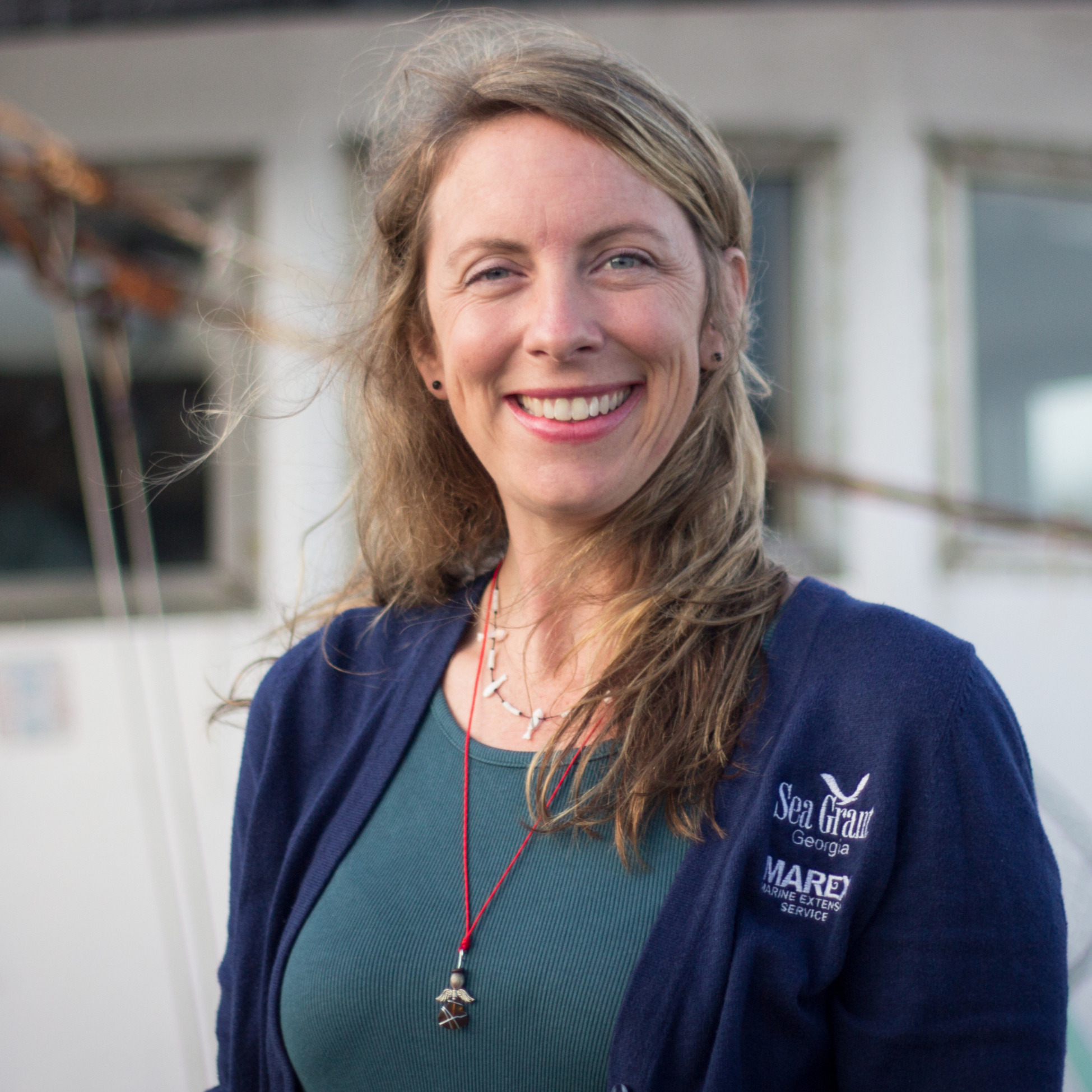
Working with Tybee Island communities to build resilience: new interview with IRIS researcher Jill Gambill
IRIS research on Tybee Island was recently featured in Yale Climate Connections. Jill Gambill, of the University of Georgia Marine Extension and Georgia Sea Grant, is working closely with communities on Tybee Island to develop solutions that come from the ground up. “In doing planning, local knowledge and local experiences…
-

Don’t Look Up! IRIS Outreach and Climate Director Marshall Shepherd Consulted for Hit Movie
While many viewers tuned into “Don’t Look Up!” for an entertaining evening of watching a disaster flick, the movie had a secret agenda: unpacking the challenges and dangers that climate change poses. IRIS Outreach and Climate Director, Marshall Shepherd, was one of a team of scientists consulted after the making…
-

IRIS Affiliate Andressa Mansur Publishes On Integrating Multiple Values into Urban Management
Dr. Andressa Mansur (Post-doctoral researcher at University of Georgia) recently published a new paper titled, “Nature futures for the urban century: Integrating multiple values into urban management,” in the journal Environmental Science and Policy. The research delves into the need to balance preserving natural systems with rapid urbanization, and creates…
-

IRIS Affiliate Jeb Byers Elected to Fellow of the American Association for the Advancement of Science (AAAS)
James E. (Jeb) Byers, Josiah Meigs Distinguished Teaching Professor of Ecology, was recently elected as a Fellow of the American Association for the Advancement of Science, an honor given to individuals who have made significant contributions to their field. Byers received this award for his, “distinguished contributions to the field…
-

Report: Stream Restoration as a Best Management Practice
Stream restoration provides benefits to communities and ecosystems in the form of reduced erosion, increased uptake of pollutants, bolstered biodiversity, and recreation opportunities. In a 2022 report, IRIS researchers and collaborators provided guidance for best management practices in stream restoration, including stream stabilization, installation of riparian buffers, in-stream enhancement and…
-

N-EWN Biodiversity Retreat
This week, members of the Network for Engineering With Nature from both the Institute for Resilient Infrastructure Systems and USACE Engineering With Nature met at Amicalola Falls State Park for a discussion on the best ways to prioritize biodiversity in infrastructure planning. The interdisciplinary group included engineers, biologists, landscape architects, and ecologists, among others.…
-
IRIS team awarded Presidential Interdisciplinary Seed Grant
IRIS affiliate Scott Pippin, with the Carl Vinson Institute of Government, was recently awarded a Presidential Interdisciplinary Seed Grant for his proposal, “Developing New Storm Design Criteria for Natural Hazards Planning Research and Practice.” While Pippin is the primary investigator, the team also includes Brian Bledsoe (College of Engineering); Marshall Shepherd, John Knox, Pam Knox, Lynne…
